China Machine Tool Sourcing: A Buyer's Guide to CNC Machine Tool Suppliers
【Introduction】 China overtook Germany as top machine tool exporter in 2026. Mid-range CNC is competitive; high-end catching up.
In 2025, something shifted in the global machine tool market that most Western buyers have not yet fully priced in: China overtook Germany to become the world's largest exporter of machine tools. For years, sourcing from China meant trading quality for cost. That trade-off no longer describes the market accurately — and the manufacturers who update their assumptions first are the ones getting better machines, faster delivery and lower total cost.
The Shift Most Buyers Have Not Priced In
The numbers tell a clear story. According to the German Machine Tool Builders' Association (VDW) in its Marktbericht 2025, Chinese machine tool production reached roughly €30 billion in 2025 — about 37% of global output, more than Germany (12%) and Japan (10%) combined. On the export side, Chinese suppliers grew shipments by 13% to a record €8.6 billion, overtaking Germany for the first time, while German exports fell 10% to €7 billion. China is also the world's largest machine tool consumer at €25.2 billion, around 32% of global demand.
These are not abstract statistics. They mean that when you set out to source machine tools from China, you are shopping in the most concentrated, highest-volume market on earth — one where a supplier you have never heard of may already run a plant producing 30,000 machines a year and shipping to a dozen countries.
What "Chinese Machine Tools" Means Now
The old image of Chinese machines as low-cost, low-precision commodity equipment is roughly a decade out of date. The market has stratified:
Mid-range CNC is now globally competitive. Vertical machining centers, drilling and tapping centers and CNC lathes from Chinese builders routinely match the positioning accuracy and spindle performance that used to justify paying double for a legacy brand.
High-end is advancing fast, but selectively. Five-axis machining, turn-mill centers and large gantry mills are the fastest-growing segment. Industry data puts the localization rate of high-end machines at roughly one-third, with five-axis machines still only about 17% of exports — meaning premium capability exists, but you have to know which builders have it.
Listed leaders now export deliberately. Ningbo Haitian Precision Machinery (Haitian Precision) runs manufacturing bases across China and application centers in Malaysia, Germany and Serbia. Kede Numerical Control builds five-axis machines and their own CNC systems in Dalian. Chuangshiji (Creo), headquartered in Shenzhen, operates four production bases with an annual capacity above 30,000 machines. Neway CNC in Suzhou competes directly in machining centers. These are not garage workshops — they are public companies with audited supply chains.
The practical implication for a buyer: source CNC machines from China by matching the machine to the job and the builder to the tier, rather than assuming one "China" applies to all.
The Honest Trade-Offs
A sourcing guide that ignores the gaps will cost you money. Two are worth naming openly.
First, stability and precision at the very top end still trail the German and Japanese leaders. As one Chinese machine tool executive told CCTV: "Compared with foreign high-end machines, there's still some gap in stability and precision, but it's gradually closing." Premium aerospace or mold work with the tightest tolerances may still justify a European or Japanese machine. For most production work — and for the growing majority of precision parts — Chinese machines now clear the bar at a meaningfully lower price.
Second, compliance matters more than it used to. Machine tools carry dual-use export controls, and Chinese customs tightened declaration requirements from June 30, 2026. If you are buying for resale or re-export, work with suppliers who provide full technical documentation and can confirm export classification — a detail that separates professional builders from trading companies.
How Experienced Buyers Actually Source
The difference between a good deal and a costly mistake is process, not luck. Buyers who import repeatedly tend to follow the same sequence:
Define the part profile before contacting anyone. Material, tolerance, batch size, cycle time. A supplier cannot quote honestly without it, and "send me your catalog" is how you end up with the wrong machine.
Screen on application experience, not spec sheets. Ask which part families a builder has already shipped for — housings, molds, shafts, semiconductor components. A builder that has solved your geometry before shortens ramp-up dramatically.
Run a test cut or a machine demo. Reputable builders will machine a sample part or invite you to a demo facility. This is the single highest-value step in the whole process and worth the trip.
Price total cost of ownership. Machine price, tooling, installation, training, freight, import duty and local commissioning. The lowest sticker price rarely wins on TCO.
Lock down service before you sign. Confirm response time, spare-parts logistics and whether the builder supports your region — through their own office or a certified partner.
This is not a hypothetical path. Guiyang Xianfeng Machine Tool won its first Indian order in 2024 for a CNC roll grinder used in aluminum-foil production — a machine with extremely tight precision requirements — after the customer made multiple inspection visits and comparisons. Chuangshiji grew its overseas revenue by roughly 75% in a single year by expanding its agent and after-sales network into Southeast Asia and North America. Both cases share one pattern: the buyer verified the machine under power, in person, before committing.
Where to Meet the Supply Chain Face to Face
Shenzhen sits at the heart of the Pearl River Delta, the densest precision-manufacturing cluster in China — and home to builders like Chuangshiji. That concentration is why a sourcing trip to this region pays for itself: in a few days you can visit multiple builders, watch machines cut, and negotiate delivery rather than just collect quotes.
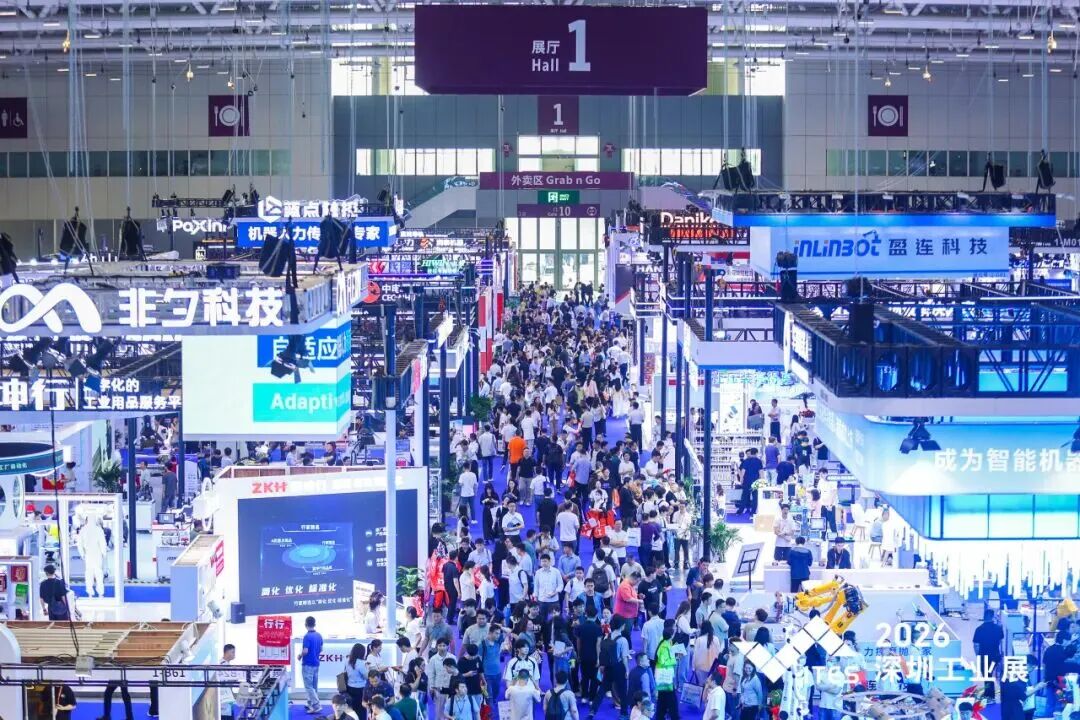
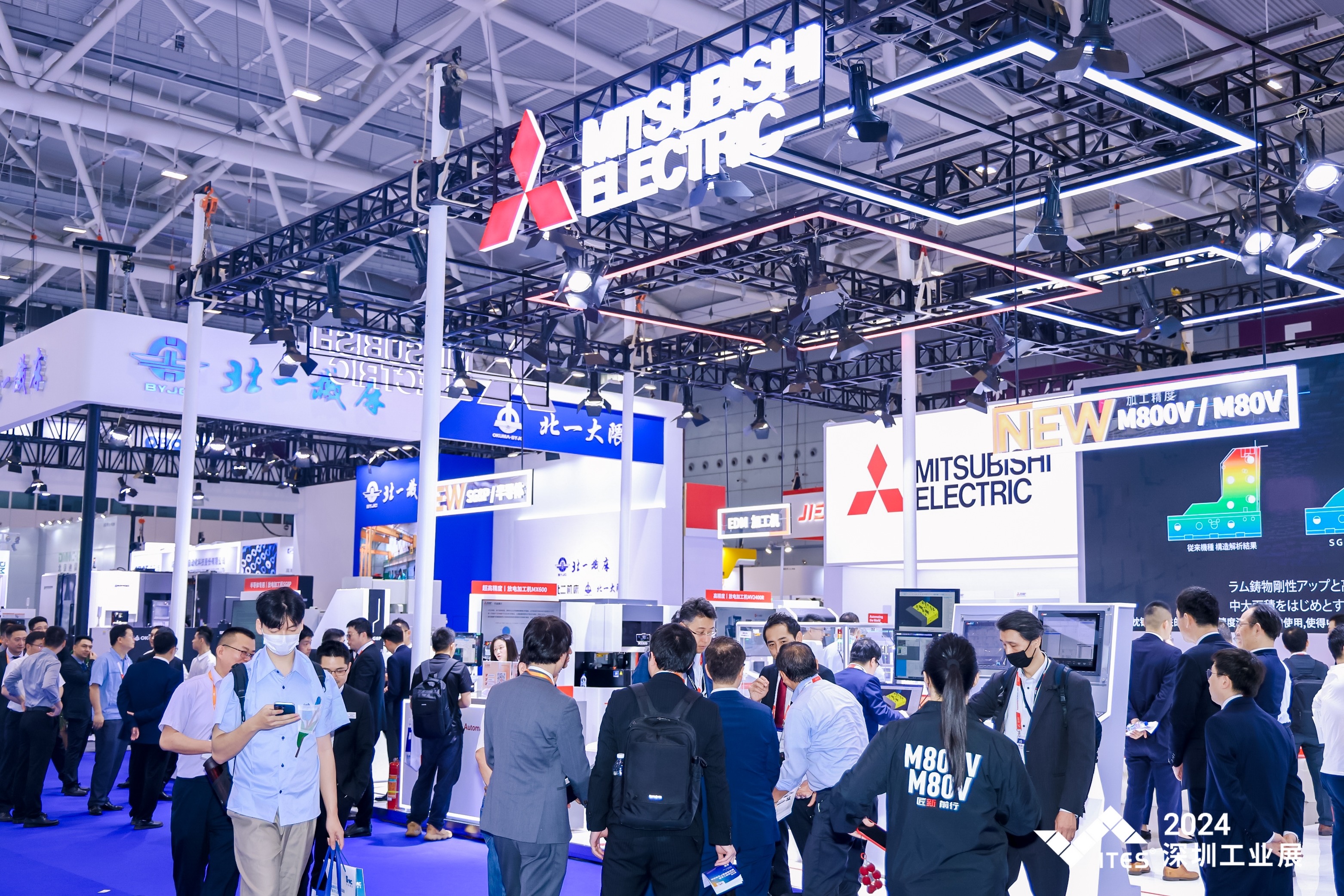
For a focused, verified approach, ITES Shenzhen Industrial Exhibition (March 24–27, 2027, Shenzhen World Exhibition & Convention Center, Bao'an) brings the machine tool, CNC machining, cutting tool and automation supply chain into one venue. It is where the industry gathers — and where you can screen several suppliers side by side, run comparisons and lock in terms in a single trip.
Frequently Asked Questions
Is it safe to source machine tools from China?Yes, when you work with verified builders rather than anonymous trading companies. Request documentation, inspect machines under power and confirm after-sales coverage before ordering. Vetted supplier directories and trade shows are the lowest-risk entry points.
How do I choose between a machining center and a turn-mill machine?It depends on your parts. Prismatic parts needing milling and drilling point to a machining center; cylindrical parts needing both turning and milling favor a turn-mill platform. A builder with application experience can map your part family to the right machine.
What should I budget when importing machine tools from China?Factor in the machine price, tooling, installation, training, freight, import duty and local commissioning. A realistic total cost of ownership beats chasing the lowest sticker price.
Can I get after-sales support for Chinese machines overseas?Many established builders now maintain overseas service networks or certified partners. Confirm response times and spare-parts logistics for your region before you buy — several leaders operate application centers in Southeast Asia, Europe and elsewhere.
How long does delivery take?Lead times vary by model and customization, but Chinese builders' dense component ecosystems typically mean faster delivery than equivalent imports — often measured in weeks to a few months rather than quarters.
Start Your China Machine Tool Sourcing
Whether you are upgrading a single cell or building a new line, the market has moved and your assumptions should move with it. Start with a clear part profile, screen builders on application experience and service, and verify under power before you commit. Plan your visit to ITES Shenzhen Industrial Exhibition 2027 and connect with verified machine tool and CNC suppliers in one place.