Assembly Automation Trends 2026: AI-Driven Quality Inspection, Force Control, and High-Mix Manufacturing
【Introduction】 Assembly Automation Trends 2026: AI-Driven Quality Inspection, Force Control, and High-Mix Manufacturing
In the rapidly evolving world of industrial manufacturing, 2026 marks a pivotal year for AI-driven quality inspection and next-generation production lines. At ITES China, we continually analyze how assembly automation reshapes factory practices around the globe. From smart sensors to adaptive robotics, manufacturers seek to improve throughput and reduce variability. This article explores key trends in automated assembly technologies, with a focus on how companies can prepare for future demands.
Adapting Smart Inspection for Quality at Scale
As the volume and variety of products increase, traditional visual checks are no longer sufficient. Smart cameras and machine learning models now perform AI-driven quality inspection, enabling real-time defect detection with high accuracy. At ITES Shenzhen, our team has observed that integrating vision systems with force-feedback tools significantly improves detection of hidden flaws, especially in complex components. Unlike manual checks, these systems adapt to product variations, reducing false rejects and sustaining quality in high-mix production environments.
Predictive analytics tied to sensor data also allows line managers to forecast when deviations might occur, thus minimizing downtime. For manufacturers embracing assembly automation, early adoption of AI-powered inspection systems not only enhances product reliability but also strengthens supply chain responsiveness to fluctuating market needs.
Force Control and Robotics: Precision Meets Flexibility
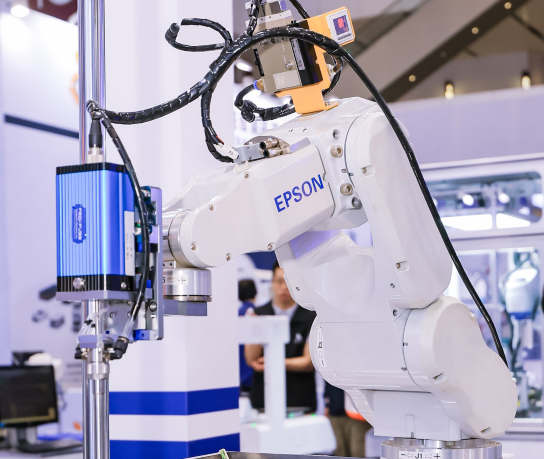
A defining trend in automated assembly is advanced force control, which equips robotic arms with the ability to sense and respond to physical interaction with parts. This enables gentle handling of delicate materials and precise insertion work that previously relied on skilled manual operators. At ITES China, we have integrated force-sensing modules into collaborative robots to improve both cycle time and assembly accuracy.
In high-mix manufacturing scenarios, where product variants change frequently, adaptive force control enables robots to adjust their behavior without lengthy reprogramming. This trend is particularly beneficial for electronics and automotive subassemblies, where product tolerances are tight. Implementing this technology helps manufacturers reduce scrap and improve first-pass yield, even when product specifications evolve rapidly.
High-Mix Manufacturing: Scalable Solutions for Diverse Products
Manufacturers are increasingly shifting toward high-mix production models to satisfy custom orders and shorter product lifecycles. Assembly automation systems that can seamlessly reconfigure tooling and workflows are becoming essential. At ITES Shenzhen, we support solutions that combine modular hardware with software orchestration platforms, allowing facilities to switch product lines with minimal delay.
Such platforms enable data-driven decision-making and real-time optimization across production cells. When paired with AI-enhanced inspection and force control, these systems deliver resilient performance over a wide range of product types. Companies that invest in scalable automation also benefit from enhanced traceability, a key requirement in regulated industries like medical devices and aerospace.
Showcasing the Future: Trade Shows and Industry Collaboration
To keep pace with rapid technological change, industry events serve as vital hubs for innovation exchange. In 2026, ITES China will participate in leading exhibitions where we demonstrate our latest automated assembly platforms, including smart inspection modules and force-adaptive robotics. Attendees can engage with live demos, discuss integration strategies with our engineers, and explore how AI capabilities are shaping next-gen manufacturing lines.
Highlights of these events include keynote sessions on digital transformation, workshops on deploying scalable automation systems, and showcases of partner technologies that complement our offerings. Exhibitors from material handling, vision systems, and software analytics will join us to present integrated solutions that reflect the broader ecosystem of assembly automation trends.
Conclusion: Strategic Investments for Competitive Manufacturing
Looking ahead to 2026, embracing AI-driven quality inspection, advanced force control, and high mix manufacturing will be key for manufacturers aiming to thrive in competitive markets. At ITES China, we recognize that these trends are not isolated innovations but interconnected forces driving sustainable productivity gains. By understanding how automated assembly solutions can enhance quality, flexibility, and scalability, companies will be better positioned to meet evolving demands and lead successful digital transitions.