Future Trends in Humanoid Robotics: Lightweight Design, AI Control, and Large-Scale Deployment
【Introduction】 Future Trends in Humanoid Robotics: Lightweight Design, AI Control, and Large-Scale Deployment
As we explore the future trends in humanoid robotics, it’s clear that innovation is accelerating rapidly, particularly in areas such as lightweight design, AI control systems, and large-scale deployment. At ITES China, we see how this evolution is shaping the global robotics landscape and how Chinese humanoid robot company progress is influencing supply chains, applications, and industry growth. We believe that embracing these trends will be essential for companies and developers seeking practical and scalable humanoid robots.
Lightweight Design and Core Technology Advancements
One major trend we’ve observed in the humanoid robotics industry focuses on lightweight design paired with robust performance. Companies in the humanoid robotics ecosystem are innovating around key modules such as actuation systems, sensors, and control architectures that reduce weight without compromising strength or precision. These lightweight systems allow robots to operate more efficiently, carry out tasks requiring agility, and reduce energy consumption — all critical for advancing real-world deployments across factories and services. As a China-based humanoid robot company, we recognize that reducing complexity and enhancing mobility are pivotal for robots to transition from experimental platforms to reliable, commercial solutions. These developments reflect broader ambitions among humanoid robot manufacturers in China to blend cutting-edge engineering with practical utility.
The Role of AI Control in Enhanced Autonomy
Beyond hardware, AI control lies at the center of making humanoid robots truly useful in diverse environments. Intelligent algorithms are enabling robots to perceive their surroundings, react to unexpected events, and execute complex sequences autonomously. AI-driven control systems give humanoid robots the ability to adapt their behavior, improve task execution, and interact safely with humans — which opens opportunities in sectors ranging from logistics to customer service. This trend intersects closely with the growth of advanced sensors and machine vision systems showcased at events like ITES China. By integrating AI with lightweight platforms, we’re seeing a new wave of robots that can work collaboratively and continuously. Such AI enhancements help China's humanoid robot company offerings become more than mechanical automation, moving them toward cognitive partners in industrial and societal contexts.
Large-Scale Deployment and Industry Ecosystems
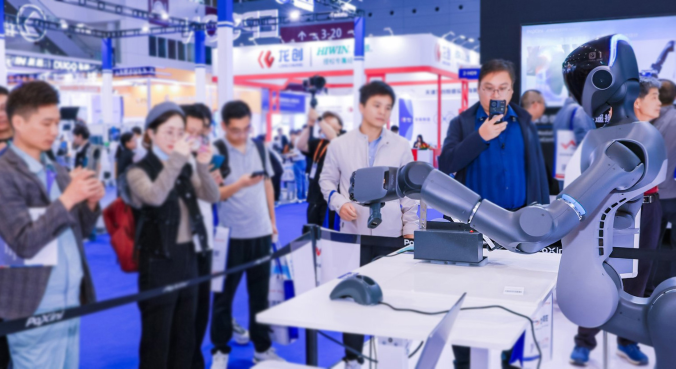
Large-scale deployment remains a defining trend for humanoid robotics, with industry events like ITES China playing a vital role in connecting manufacturers, developers, and buyers. The ITES exhibition gathers an extensive network of robotics and automation professionals and showcases full humanoid robot industry chains, including platform developers, components, sensors, and control solutions. With over 40 humanoid robot suppliers participating and dedicated zones for humanoid robot platforms and core modules, the exhibition highlights how supply chain collaborations are enabling broader adoption and commercialization. For us and many humanoid robot manufacturers in China, these platforms are crucial for exchanging insights, forming strategic partnerships, and driving scalability from prototypes to production.
ITES China Exhibition Highlights and What We’ll Showcase
At ITES China, the convergence of innovation, technology, and ecosystem collaboration becomes especially evident. The show features hundreds of exhibitors presenting the latest in precision parts, control systems, and full humanoid robots. Among the highlights are advanced lightweight humanoid modules, AI-enabled perception systems, and integrated solutions designed to meet the growing demand from sectors such as manufacturing, logistics, and service robotics. The exhibition’s role in fostering communication between global players underpins China’s position in the evolving humanoid robot market. Attendees can expect to see live demonstrations, deep dives into cutting-edge robotics applications, and opportunities to engage directly with developers and suppliers shaping the humanoid robot manufacturers' landscape in China.
Conclusion: Integrating Trends for Practical Impact
Overall, understanding lightweight design, advanced AI control, and broader large-scale deployment provides a framework for appreciating where humanoid robotics is heading. As a China-based humanoid robot company, we see these trends as interconnected forces that will define the next chapter of robotics innovation. By engaging with exhibitions like ITES China, industry participants gain insight into how hardware, software, and ecosystem collaboration combine to build practical, scalable humanoid robots ready for real-world application. Looking ahead, continued progress across these fronts will accelerate adoption and reshape how humans and robots work together, unlocking new possibilities for industries worldwide.