High-Precision Stamping Solutions for Automotive, 3C, and Small Metal Components
【Introduction】 High-Precision Stamping Solutions for Automotive, 3C, and Small Metal Components
Producing high-volume, precision metal components for industries like automotive and consumer electronics relies on a manufacturing process that balances speed, consistency, and intricate detail. This balance is frequently achieved through advanced stamping technology. The operational demands for such parts—encompassing complex geometries, tight tolerances, and varied material properties—drive continuous innovation in press technology, die design, and automation. As a central event for industrial manufacturing, we recognize that developments in metal stamping in China reflect a broader move toward integrated, intelligent production systems capable of meeting these multifaceted requirements.
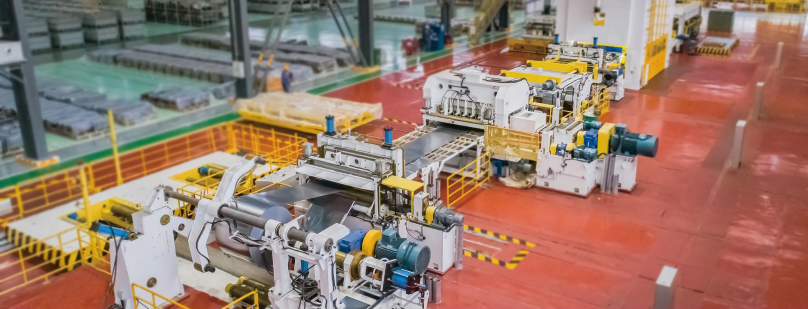
Technical Demands Across Diverse Applications
The technical parameters for stamping vary significantly by sector, which shapes the necessary solutions. Automotive component manufacturing often requires high-force stamping for structural parts, emphasizing durability and repeatability over millions of cycles. Conversely, the 3C electronics industry demands ultra-high precision and minimal surface marking on thinner, smaller components, often utilizing high-speed or servo-driven presses. The common thread is the need for absolute consistency and minimized downtime. Achieving this hinges on several factors: the precision and rigidity of the stamping dies, the control and accuracy of the press itself, and the integration of automated handling to maintain part quality and production flow. The evolution of metal stamping in China is directly linked to addressing these specific, high-bar application challenges across global supply chains.
Supply Chain Coordination for Integrated Stamping Systems
A significant factor in deploying effective stamping solutions is the presence of a coordinated and capable supply network. Success in this field extends beyond the press manufacturer to include a cascade of specialized providers. This includes mold steel suppliers, precision die makers, automation engineers for feeding and extraction, and specialists in machine vision for in-die inspection. The concentration of these interrelated disciplines within a connected ecosystem allows for a more streamlined development process. A press builder can work in close consultation with a mold designer and an automation provider, ensuring that the final system—from coil feed to finished part—is optimized for the specific component. This collaborative environment within the broader sector of metal stamping in China facilitates shorter lead times for system integration and provides end-users with a single point of accountability for complex production line setup.
Accessing Comprehensive Stamping Technology at a Central Platform
Evaluating the right combination of equipment, tooling, and automation requires a holistic view of available technology. A specialized industrial exhibition provides the necessary environment to gain this perspective. The Stamping Technology & Automation Solution zone at ITES China is designed to serve this exact function. It consolidates the entire spectrum of the stamping process into one venue. For manufacturers, this is an opportunity to see not just individual machines, but complete workflows. The exhibition scope includes the core stamping equipment, from high-speed mechanical punch presses to sophisticated servo models, allowing for direct comparison of their cycle times and control capabilities. Critically, it also showcases the ancillary systems that enable automation: robotic part handlers, quick die change systems, and integrated vision inspection units. Visiting ITES China allows engineers to observe how different brands of presses interface with automation and to discuss specific material or throughput challenges with technical experts from across the supply chain.
The progression toward smarter, more connected manufacturing places a renewed focus on foundational processes like stamping. Meeting the precision and efficiency needs of industries such as automotive and electronics depends on the seamless integration of advanced presses, meticulously crafted dies, and intelligent automation. The collaborative nature of the supply network supporting metal stamping in China is a vital asset in this integration, fostering the development of tailored solutions. For professionals tasked with specifying or upgrading stamping operations, engaging with the full breadth of this technology in one location is a substantive step. ITES China creates that condensed environment, offering a direct line of sight into the equipment, expertise, and partnerships that can define the next phase of a high-volume precision manufacturing operation.