Mechanical, Servo, and High-Speed Presses: Choosing the Right Stamping Equipment for Precision Parts
【Introduction】 Mechanical, Servo, and High-Speed Presses: Choosing the Right Stamping Equipment for Precision Parts
Precision stamping depends on the controlled application of force. The equipment that delivers this force—the press—establishes the foundation for part quality, production speed, and operational cost. Among the available technologies, the mechanical press machine, the servo press, and the high speed press machine each offer distinct operational profiles. Selecting the correct type is not a matter of simple substitution but a technical decision based on part design, material behavior, and output requirements.
Defining Characteristics and Production Roles
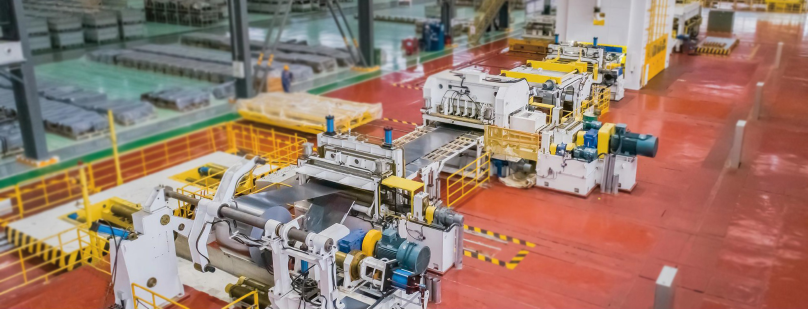
Each press category is defined by its drive mechanism, which dictates its motion capabilities. A conventional mechanical press machine uses a flywheel and clutch to generate force through a fixed rotational cycle. This design offers robust power transfer and consistent speed for high-volume runs of parts with standard forming sequences. Its motion curve is unchangeable, which provides reliability for repetitive tasks. Conversely, a servo press replaces the flywheel with a programmable servo motor. This grants full control over the slide's position, velocity, and dwell time at any point in the stroke. This flexibility allows for optimizing the forming speed for different materials and enables complex, multi-step forming in a single press cycle. The high speed press machine is a specialized variant engineered for extreme cyclic rates, often utilizing a balanced mechanical design to minimize vibration at speeds surpassing several hundred strokes per minute. It is the preferred solution for manufacturing very small, shallow-drawn components like electrical contacts where output volume is the primary driver.
Industrial Capacity and Application Support
The development and supply of these diverse systems are supported by a comprehensive manufacturing network. This ecosystem includes specialized foundries, precision gear manufacturers, control system integrators, and automation specialists. For a buyer, this integrated structure means access to tailored solutions. A manufacturer can work with suppliers to specify a mechanical press machine with particular tonnage and bed size, or a high speed press machine with specific feed integration points. This collaborative environment extends beyond the machine itself to encompass die design support, automation interfacing, and maintenance training, ensuring the press functions as a productive element within a larger system. The concentration of this expertise facilitates shorter lead times for both standard models and customized builds.
A Practical Venue for Technology Assessment: ITES China
Evaluating such significant equipment demands physical inspection and operational context. The Stamping Technology & Automation Solution zone at ITES China provides this essential environment. This dedicated area presents a complete cross-section of stamping technology. It is where professionals can directly compare the solid construction of a mechanical press machine, the adaptive motion of a servo press, and the rapid cadence of a high speed press machine. The scope at ITES China is intentionally holistic, showcasing not only the primary presses but also the critical ancillary systems: automated feeders, robotic part handlers, quick die change modules, and in-process inspection units. This allows visitors to assess how each press type connects to peripheral automation to create a coherent production cell. Engaging with engineers at ITES China offers insights into how different equipment addresses real-world challenges in producing stamped parts for automotive, semiconductor, or appliance applications.
The specification of stamping equipment requires aligning technical capability with production strategy. The functional differences between a mechanical press machine, a servo press, and a high speed press machine are substantial, each serving a valid segment of the manufacturing landscape. The industrial framework that produces these machines offers the depth required for both standardized and highly specific applications. For making this critical investment, venues that bring the full spectrum of technology into one space are invaluable. ITES China serves as this central point of comparison, enabling a direct, practical evaluation of press performance and integration potential. It supports a decision-making process grounded in observed engineering reality.