Tube Cutting Technologies Compared: Laser Cutting & Saw Cutting
【Introduction】 Tube Cutting Technologies Compared: Laser Cutting & Saw Cutting
Fabricating components from metal tubing requires a method to create accurate, clean cuts that serve as the foundation for further assembly. Two primary methods dominate this space: the thermal precision of laser tube cutting and the mechanical action of cold saw tube cutting. Each process brings distinct advantages to production lines across industries from automotive to architectural hardware. We see manufacturers regularly evaluating these technologies to balance factors like cut quality, throughput, material type, and operational cost.
The Precision and Flexibility of Laser Tube Cutting
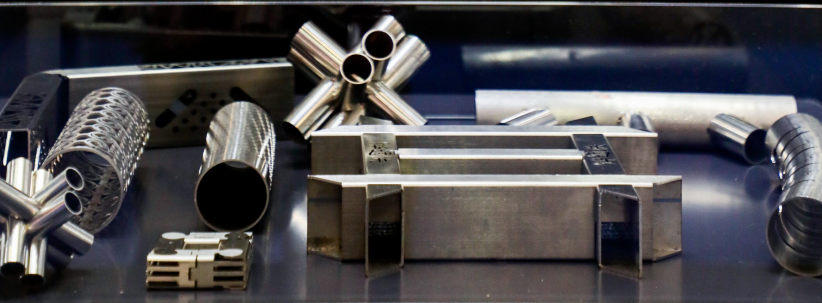
The laser tube cutting process utilizes a focused high-energy beam to melt and vaporize material along a programmed path. This non-contact method offers significant flexibility, allowing for complex contours, holes, and cutouts to be made in a single setup without tooling changes. It is particularly effective for producing intricate parts from pre-finished or delicate tubes where minimizing mechanical distortion is critical. The precision of laser tube cutting supports industries like medical devices and new energy vehicles, where component designs are complex and tolerances are tight. However, the process involves significant energy input, which can affect the heat-affected zone on certain materials, a factor engineers must account for in their design and application.
The Strength and Economy of Cold Saw Tube Cutting
In contrast, cold saw tube cutting employs a toothed blade to mechanically separate material. The term "cold" refers to the blade's ability to transfer heat away from the cut edge into the chips, preserving the metallurgical properties of the parent material and producing a clean, burr-minimized finish. This method is highly efficient for straight cuts and is often favored for its speed in high-volume applications involving solid profiles or thick-walled tubes. The cold saw tube cutting process is recognized for its reliability and lower operational energy consumption compared to thermal methods. It is a cornerstone technology in sectors like metal furniture and construction, where long lengths of standard profiles require fast, consistent segmentation.
Navigating Options Within a Robust Manufacturing Ecosystem
The decision between these technologies is seldom absolute; many facilities operate both to cover a wider range of production requirements. Engaging with the manufacturing ecosystem that supplies this equipment provides access to critical application knowledge. Suppliers offer insights into integrating these cutters with auxiliary processes like deburring, chamfering, and material handling to create complete lines. This ecosystem supports manufacturers in addressing challenges related to different materials, from carbon steel to aluminum alloys, ensuring the selected technology aligns with both technical needs and economic parameters.
Experiencing Technology and Building Supply Connections
Theoretical comparison provides a framework, but operational understanding comes from direct engagement. Observing a machine's integration, its material handling system, and the final cut quality is essential. This hands-on evaluation is a central function of the Tube & Profile Processing Solutions zone at ITES China. This dedicated area presents the full spectrum of tube and profile processing. The exhibition scope includes live demonstrations of laser tube cutting systems and cold saw tube cutting equipment alongside bending, welding, and finishing technologies. Professionals can see these machines process the actual materials they use, from stainless steel round pipes to aluminum profiles.
This zone serves as a direct channel to the technologies shaping industries from refrigeration to aerospace. Visitors can assess the speed of a cold saw tube cutting unit on section steel, examine the edge quality from a laser tube cutting system on copper alloy tubes, and discuss automation possibilities with engineers. It is a forum for comparing the tangible output of different solutions and for building relationships with the technical experts behind them. For those responsible for specifying manufacturing equipment, this convergence of live technology and expert knowledge at ITES China provides a substantive basis for critical investment and process planning decisions.