A Complete Overview of Modern Welding Technologies: From Laser Welding to Ultrasonic Welding
【Introduction】 A Complete Overview of Modern Welding Technologies: From Laser Welding to Ultrasonic Welding
Modern manufacturing assembly relies on a diverse set of joining techniques, each selected for its unique interaction with material properties. Two processes representing opposite ends of the energy input spectrum are laser welding and ultrasonic welding. We will examine the operational principles of these methods and the concentrated industrial network supporting laser welding equipment manufacturers and ultrasonic welding machine manufacturers within the regional supply framework.
Principles and Applications of Laser and Ultrasonic Welding
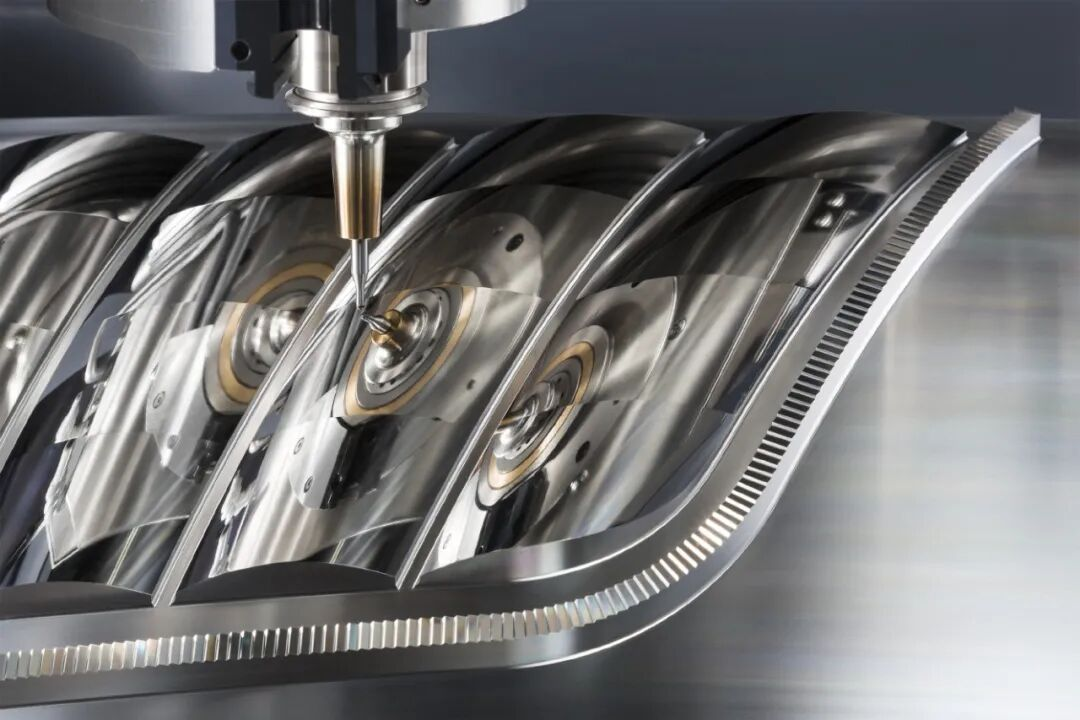
Laser welding utilizes a focused, high-energy light beam to create a deep, narrow weld seam with minimal heat input to the surrounding material. This makes it suitable for joining precision components where thermal distortion must be controlled, such as in medical devices or electronic enclosures. Conversely, ultrasonic welding employs high-frequency mechanical vibrations under pressure to create a solid-state bond, primarily in thermoplastics or thin metal layers, without melting the base materials. It is frequently used in electrical contacts or battery tab welding. The effectiveness of each process is dictated by joint design, material type, and production volume requirements. The presence of specialized ultrasonic welding machine manufacturers alongside laser welding equipment manufacturers in the regional industrial ecosystem allows for comparative evaluation and application-specific engineering support.
The Integrated Supply Chain for Welding Systems
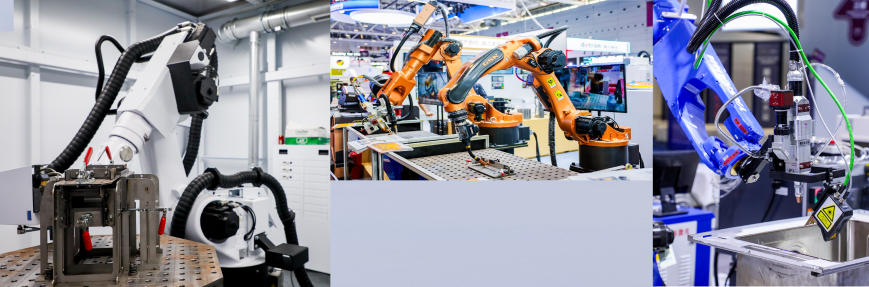
Implementing these advanced technologies extends beyond the primary power source. A functional automated welding cell integrates precision motion systems, real-time monitoring devices, and specialized safety controls. For a system integrator, sourcing these components from a cohesive supply network is a logistical advantage. The proximity of suppliers for welding robots, seam tracking sensors, precision positioners, and fume extraction systems to the core laser welding equipment manufacturers streamlines the design and assembly process. This integrated supply chain reduces project lead times, facilitates technical coordination between component vendors, and supports a more responsive service structure for maintaining production uptime.
Evaluation at a Dedicated Exhibition Platform
Technical specifications provide a foundation, but assessing weld quality, system speed, and integration complexity requires direct observation. The Welding Technologies & Equipment zone at ITES China is structured for this purpose. This dedicated segment brings together the full spectrum of joining technologies. It allows engineers to witness live demonstrations of a fiber laser creating a hermetic seal on a stainless steel part, while nearby, an ultrasonic system bonds battery foils. This direct comparison is invaluable for process selection. Engaging with multiple laser welding equipment manufacturers and ultrasonic welding machine manufacturers in one location enables detailed discussion of parameters like pulse shaping for aluminum alloys or horn design for composite materials.
The exhibition scope at ITES China presents the complete welding solution ecosystem. Beyond the core energy sources, the zone includes the enabling technologies that ensure consistent results. Visitors can evaluate robotic articulation arms for multi-axis welding paths, machine vision systems for pre- and post-weld inspection, and automated wire feeders for additive repair processes. The concurrent display of essential auxiliary equipment—from clamping fixtures and protective gases to industrial fume purifiers—provides a holistic view of workshop planning. For professionals responsible for specifying joining processes or upgrading production lines, this focused environment at ITES China offers a consolidated technical resource. It connects the scientific principles of laser and ultrasonic energy with the practical realities of equipment sourcing, system integration, and operational safety, supported by an accessible network of specialized manufacturers.