Electron Beam Welding Applications for High-Precision Metal Components
【Introduction】 Electron Beam Welding Applications for High-Precision Metal Components
In sectors where component integrity is non-negotiable, the methods used to join materials directly influence performance and safety. For creating high-strength, low-distortion bonds in critical assemblies, electron beam welding stands as a specialized process. Its capacity for deep penetration and minimal heat input makes it applicable for challenging materials and exacting geometries. As this technology gains traction, a growing number of global engineering teams are evaluating electron beam welding machine manufacturers for their projects. At ITES China, we see this interest reflected in the expanding presence of electron beam welder manufacturers at our event, where the practical applications of this technology are demonstrated alongside other advanced joining methods.
The Technical Principles and Advantages of the Process
Electron beam welding operates on principles distinct from conventional arc or laser welding. The process generates a focused stream of high-velocity electrons in a vacuum chamber, converting their kinetic energy into intense heat upon impacting the workpiece. This vacuum environment is crucial, as it prevents the electron beam from dispersing and eliminates contamination from atmospheric gases. The primary advantage lies in its exceptional energy density, which allows for deep, narrow welds with a high depth-to-width ratio. This results in minimal thermal distortion of the surrounding material, a critical factor when working with pre-machined or heat-sensitive components. Furthermore, the process can join refractory metals, dissimilar metals, and thick sections in a single pass, offering solutions for applications where other welding techniques reach their limitations.
Capabilities and Advancements Among Equipment Suppliers
The market for this advanced equipment has seen notable development, with a range of electron beam welding machine manufacturers enhancing system accessibility and control. Contemporary units from these suppliers often feature improved high-voltage stability and more precise beam deflection control, which allows for complex weld path programming. Modern CNC interfaces enable the automation of multi-stage welding sequences, ensuring repeatability across production runs. A significant area of progress involves chamber design and vacuum pumping systems, aiming to reduce cycle times for higher-volume applications. The focus among electron beam welder manufacturers is not solely on the power source but on creating a more integrated and user-optimized workstation. This includes advancements in fixturing, real-time monitoring systems, and software that simplifies the programming of intricate joint configurations, making the technology more manageable for specialized job shops and research institutions.
A Focused Platform for Evaluation and Comparison
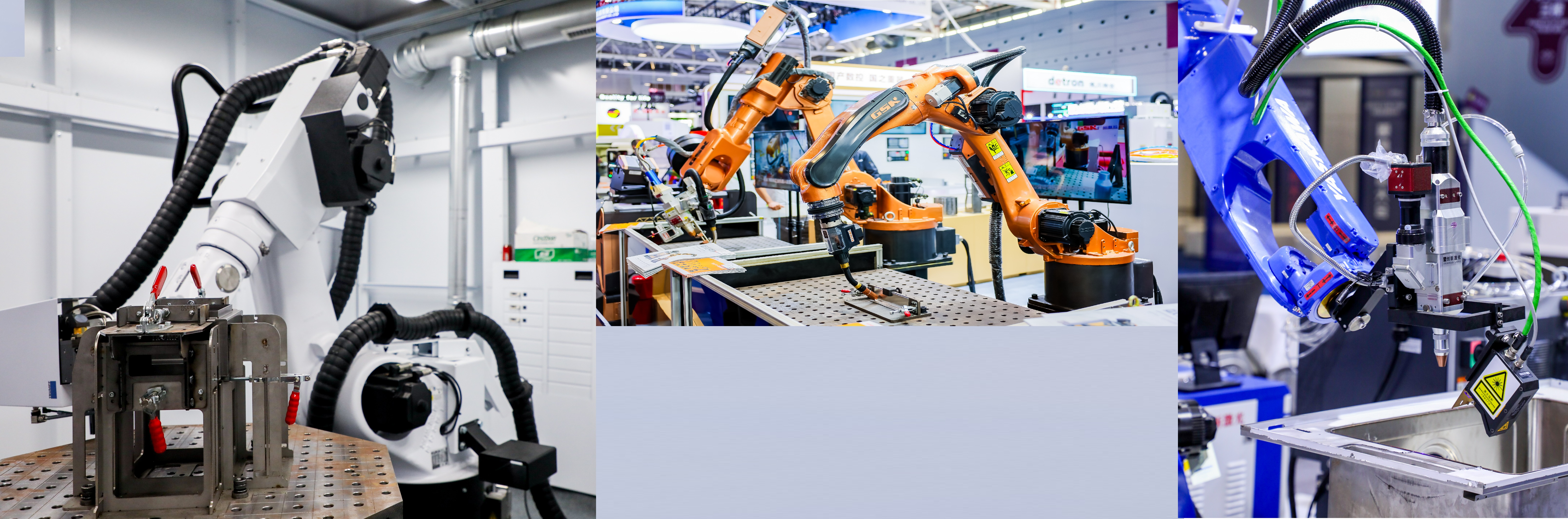
For professionals tasked with specifying such capital-intensive and process-critical equipment, direct evaluation is a necessary phase. The Welding Technologies & Equipment zone at ITES China is structured to facilitate this essential review. We bring together a concentration of expertise that allows for the direct observation of various advanced processes. Here, electron beam welder manufacturers demonstrate their equipment alongside providers of laser, plasma, and friction stir welding systems. This side-by-side presentation is invaluable for comparing the specific advantages, weld characteristics, and operational parameters of each technology for a given application.
The exhibition scope within our welding zone is comprehensive. Beyond the primary welding equipment, we ensure that supporting technologies are well-represented. Visitors can examine the specialized fixturing and positioners required for holding precision components during electron beam welding. They can engage with suppliers of vacuum system components, discuss the nuances of beam calibration tools, and review safety and fume extraction solutions tailored for high-tech manufacturing environments. This holistic view transforms the space from a simple product display into a functional ecosystem. Engineers can move from discussing the control software of an electron beam welding machine manufacturers to evaluating compatible inspection equipment, all within a dedicated professional environment designed for technical discovery.
The selection of a joining technology for mission-critical components carries long-term implications for product quality and manufacturing flexibility. Electron beam welding presents a compelling option for applications demanding exceptional strength and precision. The ongoing refinements in equipment design and operation underscore a commitment to making this powerful tool more adaptable and reliable. For those engaged in fields like aerospace, advanced automotive, or medical device manufacturing, a thorough understanding of available systems is a key part of process development. Events like ITES China exist to compress the research timeline, offering a direct conduit to the engineers and the machinery shaping modern fabrication. The opportunity to see operational equipment, assess build quality, and engage in detailed technical dialogue provides a substantive foundation for making informed decisions on integrating such specialized capabilities into production workflows.