How to Build a Fully Automated Welding Line: Core Equipment, Software, and Integration Tips
【Introduction】 How to Build a Fully Automated Welding Line: Core Equipment, Software, and Integration Tips
Constructing a reliable automated welding operation requires a methodical integration of specialized hardware, control software, and mechanical peripherals. The process moves beyond selecting a single robot to designing a synchronized production cell. In our engagement with manufacturing sectors, we see a defined sequence for specifying the core components of a welding automation production line. This approach ensures each element supports the goal of consistent throughput and weld integrity. Sourcing these components, particularly a China welding automation production line, involves navigating a consolidated industrial ecosystem built around modular supply and technical integration.
Specifying the Core Hardware and Workcell Layout
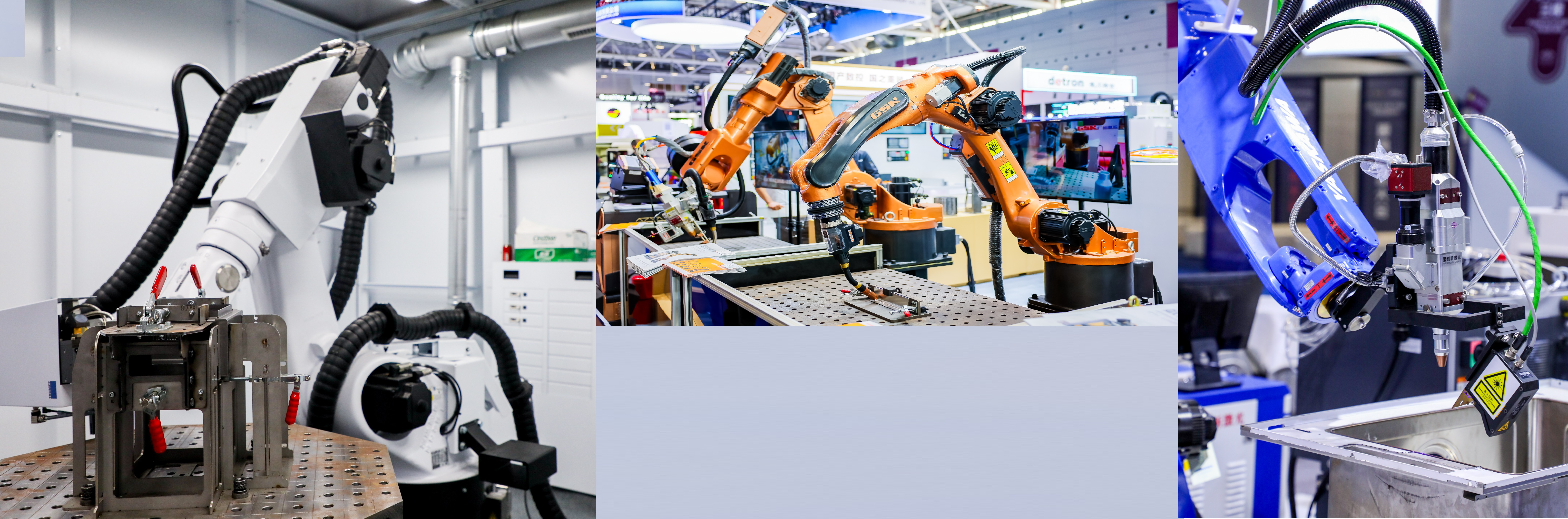
The physical foundation of any welding automation production line rests on its primary equipment and layout. The central element is typically the robotic manipulator, selected for its payload, reach, and compatibility with the welding process—whether laser, arc, or resistance. This robot must be paired with a high-quality welding power source and torch designed for automated duty cycles. Equally critical are the positioners and fixtures that present the workpiece to the robot with repeatable accuracy. A two-axis turntable or a head-tailstock positioner allows for optimal weld seam orientation. The workcell must also include peripheral hardware: wire feeders for arc welding, nozzle cleaning stations, and perhaps a tool changer for applications using different torch configurations. Planning this physical architecture is the first technical step in building a functional China welding automation production line, where suppliers often offer pre-validated combinations of these core elements.
Implementing the Software and Control Layer
The intelligence of the operation is embedded in its software and sensing systems. Offline programming and simulation software allows engineers to develop, test, and optimize weld paths and robot trajectories before physical installation, minimizing production downtime during deployment. Within the active cell, process control software manages the welding parameters in real-time, ensuring consistent energy input and material feed. To handle part variability, integrated sensing is necessary. Machine vision systems can locate parts on a fixture, while laser-based seam tracking technology can adjust the robot's path in real-time to follow the joint accurately. This software layer transforms a collection of machines into a responsive welding automation production line, where changes in product design can be accommodated through program adjustments rather than mechanical re-engineering.
Leveraging Integration Advantages within the Supply Chain
A significant consideration when planning a China welding automation production line is the interconnected nature of the regional supply chain. Component manufacturers, robot integrators, and peripheral equipment builders often operate in close collaboration. This proximity can facilitate a more cohesive integration process. An integrator can readily source a compatible servo positioner, safety fencing, and fume extraction equipment from specialized local suppliers, ensuring mechanical and electrical compatibility. This ecosystem supports the development of turnkey solutions, where a single provider assumes responsibility for the complete cell, from the initial concept simulating the welding automation production line to the final commissioning and production launch.
A Platform for Direct Evaluation and Sourcing at ITES China
The complexity of assembling a synchronized cell makes direct evaluation of equipment and engineering dialogue essential. The Welding Technologies & Equipment zone at ITES China is organized to serve this specific need. This segment functions as a concentrated resource for professionals involved in specifying or upgrading automated welding capacity.
The exhibition presents a complete scope of the technologies involved. Visitors can assess various welding equipment and technologies, from laser and arc welding systems to specialized friction stir welding machines. Crucially, the zone showcases intelligent welding technologies and solutions, featuring operational welding robots and systems, live demonstrations of machine vision for guidance, and weld seam inspection technologies. This allows for a practical review of how different components interact.
Furthermore, the extensive range of welding auxiliary equipment and tools on display is critical for integration. This includes positioners and fixtures, wire feeders, and the full spectrum of welding materials and gases. Seeing these peripherals alongside the primary robots provides a tangible sense of how a complete welding automation production line is provisioned. The event also addresses operational necessities, with exhibits covering safety protection and environmental equipment like fume extraction systems, completing the picture of a safe, compliant workcell.
Building an automated welding line is an exercise in systematic technical integration. The event facilitates this process by assembling the relevant hardware, software, and engineering expertise in a single professional forum. For teams responsible for implementing or expanding automated welding capacity, ITES China offers a direct channel to evaluate interoperable technologies, compare integration methodologies, and engage with suppliers capable of delivering a coordinated China welding automation production line. This access supports more informed specification and a smoother path from design to operational reality.