Humanoid Robot Parts Suppliers in China: A Buyer's Guide to the Supply Chain
【Introduction】 Here's the parts supply chain — reducers, servos, lead screws, dexterous hands — and where to meet suppliers.
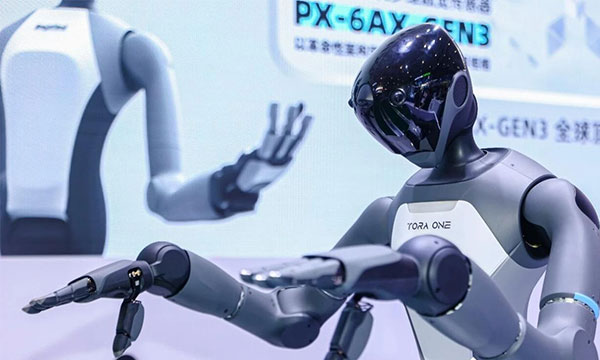
Humanoid robots have moved from demo stage to production line faster than almost anyone projected — and the center of gravity is unmistakably Chinese. In 2025, Chinese companies shipped 84.7% of the world's humanoid robots, and Chinese firms took the top six positions in global unit shipments. If you are building or integrating robots, understanding the humanoid robot industry chain china has become a sourcing question, not a curiosity.
The Supply Chain, by the Numbers
The growth is extraordinary: global humanoid robot shipments roughly quintupled in 2025 to around 17,000–18,000 units, and Chinese firms delivered about 14,400 of them. The leaders are scaling hard — Unitree shipped more than 5,500 units with revenue near RMB 1.7 billion; AgiBot shipped 5,168 units (about 39% global share); and UBTech reported total 2025 revenue of RMB 2 billion, up 53.3%, with full-size humanoid robot revenue up more than 20-fold.
Beneath the headline numbers is the part that matters for sourcing: core components account for over 70% of a humanoid robot's BOM cost, and China's localization rate for those parts has passed 75%, with reducers and servo motors above 80%.
What the Supply Chain Actually Consists Of
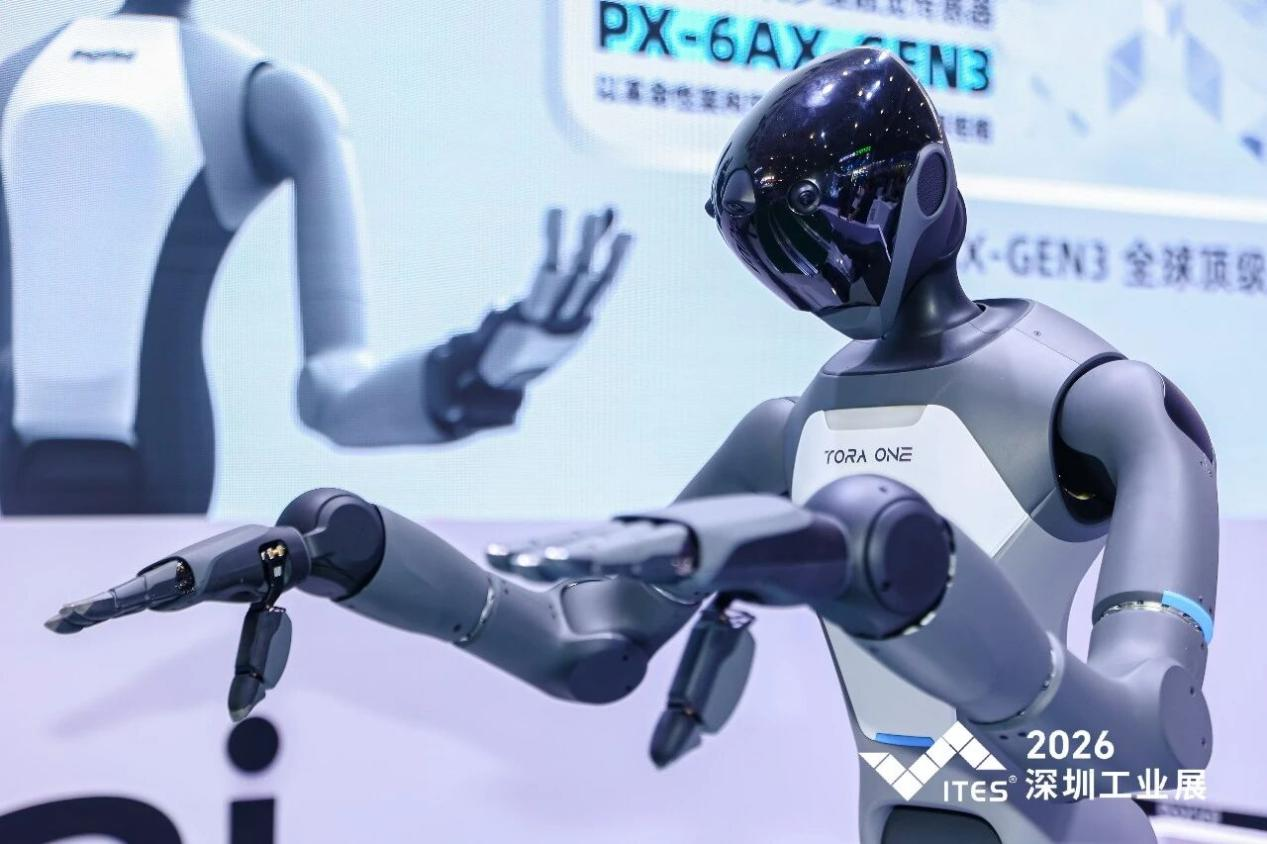
The humanoid robot supply chain china breaks into a clear component stack, and each layer has a distinct supplier landscape:
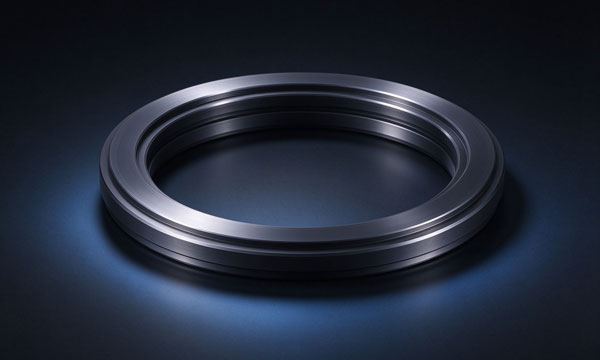
Reducers — harmonic reducers for precision joints and planetary/roller types for high-torque joints. Leaders include Leaderdrive and Shuanghuan in harmonic reduction.
Servo motors and drives — the muscle behind every joint. Inovance and specialists like Kinco and Moons' serve the frame and hollow-cup motor segments.
Lead screws — planetary roller screws, used 10–14 per robot and worth 5–8% of unit value. Domestic suppliers like Best Precision are scaling fast.
Dexterous hands — the fastest-moving segment: localization jumped from 50% to 75% in a single year, and single-hand cost fell from RMB 50,000 to RMB 15,000–20,000.
Sensors — vision (Orbbec), force and tactile sensors completing the perception stack.
This is a genuine, functioning humanoid robot parts suppliers china ecosystem — not a collection of experimental labs — which is why the whole-machine leaders can iterate so quickly.
The Honest Trade-Off
Two caveats keep the picture accurate. First, the very top of the reducer stack — high-end RV reducers and some precision encoders — still leans on Japanese and Western suppliers, so the "over 80% localized" figure hides pockets where imports still dominate. Second, the market is young: today's leaders ship thousands, not millions, so pricing, lead times and quality systems are still maturing. That cuts both ways — early buyers get in before the capacity scramble, but they should validate suppliers more carefully than in a settled industry.
Who the Key Suppliers Are
On the whole-machine side, Unitree, AgiBot and UBTech lead; Morgan Stanley projects China's 2026 sales roughly doubling to 28,000 units. On the parts side, the investable names are concentrated in reducers (Leaderdrive, Shuanghuan, Zhongda Leader), motion control (Inovance), lead screws (Best Precision, Hengli Hydraulic) and sensing (Orbbec, Keli Sensing). For a buyer, these public companies are useful reference points for benchmarking the smaller, specialized shops you are more likely to actually contract with.
How Buyers Actually Source Robot Parts
Spec the joint, not the part name. Torque, speed, size, precision and duty cycle define the reducer, motor and screw you actually need.
Check which tier you are buying in. High-end RV reducers and precision encoders may still justify an import; mainstream harmonic and planetary work is now solidly domestic.
Validate reliability, not just spec. Ask for lifetime and cycle data, not just the datasheet. In a young industry, this separates real suppliers from aspirational ones.
Confirm batch consistency. Prototype parts are easy; production-grade consistency is what you are paying for.
Plan for the ramp. Lead times are still evolving; lock volume and pricing expectations early rather than assuming a mature market.
Where to Meet the Supply Chain Face to Face
The Pearl River Delta is one of China's three humanoid-robot clusters, alongside the Yangtze River Delta and Beijing-Tianjin-Hebei — and Shenzhen sits at its center. For a focused, verified approach, ITES Shenzhen Industrial Exhibition (March 24–27, 2027, Shenzhen World Exhibition & Convention Center, Bao'an) assembles the robotics, automation, reducers, motion control and precision machining supply chain in one venue — the place to compare component suppliers and whole-machine builders side by side.
Frequently Asked Questions
Who are the leading humanoid robot parts suppliers in China?In reducers, Leaderdrive and Shuanghuan; in motion control, Inovance; in lead screws, Best Precision; in sensing, Orbbec and Keli Sensing. Whole-machine leaders include Unitree, AgiBot and UBTech.
Is China's humanoid robot supply chain mature?It is scaling fast — core-component localization passed 75% in 2025 — but the market is young. Validate reliability and batch consistency more carefully than you would in a settled industry.
Which parts still depend on imports?High-end RV reducers and some precision encoders still lean on Japanese and Western suppliers; mainstream harmonic and planetary work is now solidly domestic.
What does a dexterous hand cost now?Single-hand costs fell from around RMB 50,000 to RMB 15,000–20,000 in 2025 as localization climbed to 75% — still the most expensive single sub-assembly after the actuators.
Start Your Humanoid Robot Supply Chain Sourcing
The window is open and the leaders are shipping. The buyers who win will be the ones who spec the joint correctly, validate reliability over specs and lock in supply before the capacity scramble. Plan your visit to ITES Shenzhen Industrial Exhibition 2027 and connect with the humanoid robot parts and automation supply chain in one place.