 Countdown158days
2027.3.24-3.27 Shenzhen World Exhibition & Convention Center
Countdown158days
2027.3.24-3.27 Shenzhen World Exhibition & Convention CenterBearings for Precision and Heavy-Duty Applications: Rolling and Sliding Types
【Introduction】 Bearings for Precision and Heavy-Duty Applications: Rolling and Sliding Types
Mechanical systems across industries depend on components that manage motion and load with reliability. Bearings serve this fundamental role, with rolling and sliding types each addressing distinct operational demands in precision and heavy-duty environments. Selecting the appropriate bearing directly influences machinery performance, longevity, and maintenance costs. For procurement and engineering teams, engaging with capable industrial bearings manufacturers is a key strategic decision. The concentration of manufacturing in China has developed a substantial ecosystem for producing Chinese industrial bearings, supported by a comprehensive supply chain for materials and complementary components. We see this integrated network in action through our platform at ITES China, where the entire spectrum of motion control technology converges. This article examines the functional distinctions between bearing types and the context for sourcing these critical components.
Distinguishing Rolling Element and Plain Bearing Designs
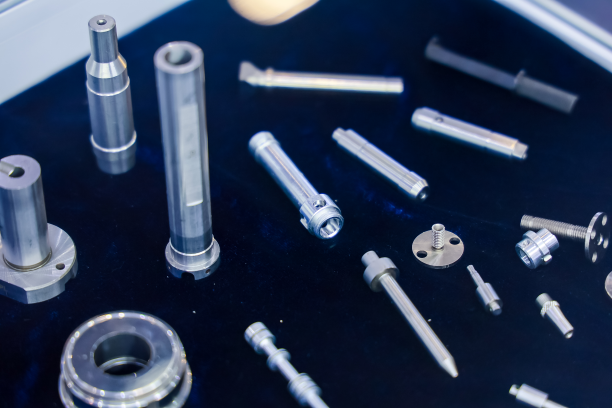
The two primary categories, rolling element bearings and plain bearings, operate on different physical principles. Rolling bearings, which include ball, roller, and tapered variants, utilize elements that roll between raceways to minimize friction. They are generally suited for applications with high rotational speeds and moderate loads, offering precision and efficiency. Plain bearings, or sliding bearings, function through a sliding contact between a shaft and a bearing surface, often with a lubricating layer. These designs accommodate very high loads and shock, excel in oscillating movements, and can simplify assembly. The choice between these types by industrial bearings manufacturers hinges on specific application parameters like load magnitude, speed, alignment, and required maintenance intervals. Understanding this distinction is the first step in specifying the correct component.
The Integrated Supply Chain for Bearing Production and Integration
The production of high-quality China industrial bearings relies on more than assembly; it is supported by a deep and localized supply chain. This includes access to specialized metallic materials for races and elements, advanced heat treatment and surface treatment equipment for durability, and precision machining for consistent geometry. Furthermore, bearing performance is intrinsically linked to adjacent components such as seals, which prevent contamination, and shafts, which provide the running surface. The proximity of producers for these complementary items—from rubber and metal seals to precision gears and couplings—enables industrial bearings manufacturers to source quality inputs efficiently and collaborate on integrated solutions. This network effect reduces logistical complexity for buyers seeking a complete motion system package.
Application-Specific Demands in South China's Industrial Landscape
Regional manufacturing hubs create specific demand profiles for bearing types. In South China, sectors such as automotive manufacturing, ceramic machinery, lithium battery equipment, and specialized pharmaceutical machinery drive requirements. Automotive processes may demand high-precision rolling bearings for robotic arms or electric motor sprockets, while heavy packaging machinery might rely on robust plain bearings to sustain substantial inertial loads. This diversity encourages industrial bearings manufacturers to develop specialized expertise and application engineering support. The presence of a large base of equipment producers creates a sustained procurement demand, fostering a competitive environment where suppliers must demonstrate technical proficiency across a range of use cases, from high-speed precision to low-speed, high-load scenarios.
Evaluating potential suppliers requires an assessment of their technical capabilities, quality control systems, and ability to provide application support. Technical data sheets are a starting point, but a deeper understanding often comes from direct engagement and seeing the manufacturing philosophy in practice.
The General Mechanical Components zone at ITES China provides this direct engagement platform. Within this zone, the Bearings section offers a focused view into the offerings of numerous industrial bearings manufacturers. Visitors can examine the full range of products, from miniature rolling bearings for sensitive instruments to large-scale plain bearings for industrial machinery. Critically, this display is situated within a wider context of essential components. Adjacent sections feature the transmission connecting components, gears, seals, and chain drives that interact directly with bearing systems. This layout allows engineers and procurement specialists to assess compatibility and discuss integrated solutions with technical representatives.
The event facilitates a practical review of quality. Attendees can inspect the craftsmanship of bearing components, discuss material specifications and heat treatment processes, and understand the quality traceability measures in place. For those sourcing China industrial bearings, it is an opportunity to move beyond generic catalogs and engage in technical dialogue about specific application challenges, such as corrosion resistance in certain environments or extreme temperature performance. The concurrent display of manufacturing equipment, including testing apparatus, further illustrates the production ecosystem.
Selecting the correct bearing type is an engineering decision with long-term operational implications. The availability of both rolling and sliding bearing solutions from a concentrated manufacturing base presents a significant resource. A thorough sourcing process involves technical specification, supplier evaluation, and validation of quality processes. Industry gatherings that assemble the full supply chain offer a measured and efficient method for this process. They enable side-by-side comparison and technical discussion that is difficult to replicate through other channels. We organize ITES China to serve as this central hub, connecting the manufacturers of these fundamental components with the industries that depend on their reliable performance.