 Countdown165days
2027.3.24-3.27 Shenzhen World Exhibition & Convention Center
Countdown165days
2027.3.24-3.27 Shenzhen World Exhibition & Convention CenterSupply Chain Optimization for Medical Core Components & Upstream Materials
【Introduction】 Supply Chain Optimization for Medical Core Components & Upstream Materials
Reliable performance in medical devices originates long before final assembly, rooted in the quality and consistency of their core components and upstream materials. For a high precision medical component manufacturer, the supply chain is not merely a logistical channel but a critical determinant of product capability and regulatory success. Optimizing this network involves securing advanced materials, specialized manufacturing processes, and rigorous quality controls from the very beginning of the production stream. This focus on upstream elements defines a strategic approach to precision medical component manufacturing. At ITES Shenzhen, we recognize this industry imperative and host a dedicated exhibition zone that maps the entire foundational layer of the medical device ecosystem, connecting developers with the essential sources for innovation.
The Strategic Role of Upstream Specialization
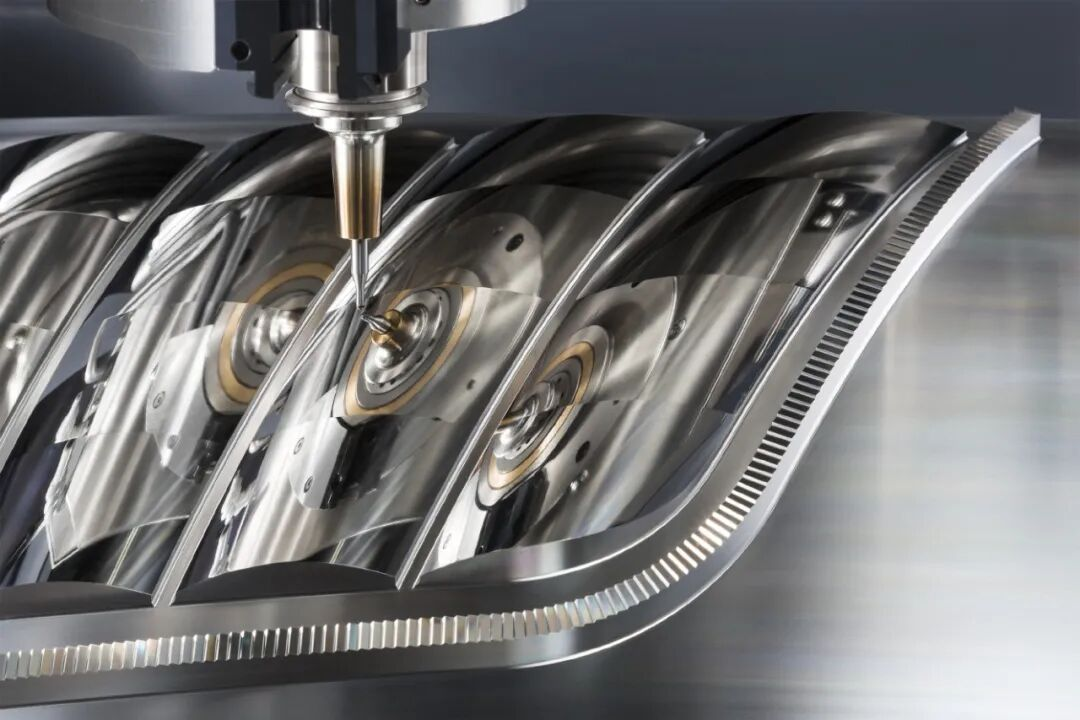
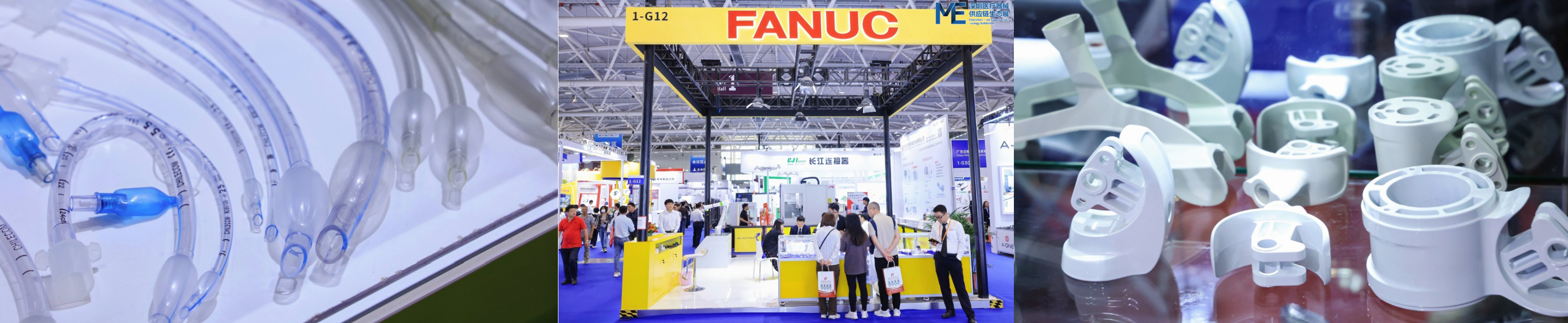
True optimization in medical device production starts at the material and sub-component level. The requirements for biocompatibility, structural integrity, and miniature scale demand more than generic industrial parts. A high precision medical component manufacturer must engage with suppliers who specialize in medical-grade polymers, specific metallic alloys, and advanced materials like piezoelectrics. Furthermore, the initial forming processes—whether through micro-CNC machining, precision die casting, or medical-certified 3D printing—set the baseline for component performance. By building a supply chain with partners experienced in these regulated, high-specification domains, manufacturers can reduce validation risks and accelerate development cycles. This upstream specialization is the first and most significant step in securing a reliable pathway for precision medical component manufacturing.
Integration of Cross-Disciplinary Manufacturing Technologies
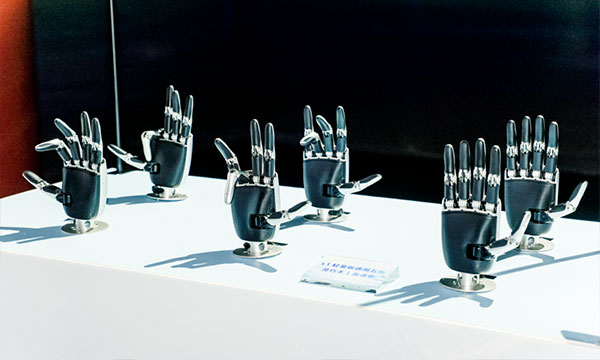
After sourcing the correct material, the transformation into a functional component requires a convergence of advanced manufacturing disciplines. This is where supply chain optimization demonstrates its practical value. A single medical device may incorporate mechanically actuated, electrically controlled, and electronically sensed parts. Therefore, an optimized network includes specialized producers of micro-gears and seals, miniature solenoid valves and pump modules, and embedded sensors or chip-on-board units. Crucially, surface treatment and coating technologies form another vital link. Processes such as medical-grade passivation, antimicrobial coating, and precision polishing are not finishing steps but are integral to component function and sterility. A high precision medical component manufacturer benefits from a supply chain where these distinct technological providers—from mechanical and electrical to surface science—are accessible and capable of interfacing their specifications.
The Exhibition as a Material and Process Nexus
Identifying and qualifying this array of specialized suppliers is a complex task. The Core Components & Raw Materials Exhibition Zone at ITES Shenzhen is designed to function as a concentrated nexus for this purpose. This zone focuses explicitly on the upstream elements of the industry chain. It allows developers to move efficiently from raw material options to finished component solutions. Visitors can engage with suppliers of advanced processing materials, from specialized metals and medical plastics to technical ceramics. They can then evaluate the capabilities of firms offering precision machining services suited for precision medical component manufacturing. The scope extends comprehensively across mechanical, electrical, and electronic components before culminating with critical surface treatment and coating experts. At ITES Shenzhen, an engineer can discuss a material’s biocompatibility with one expert, review a precision-turned prototype with a second, and consult on a necessary hydrophilic coating with a third, all within a focused environment.
Building a medical device that meets stringent performance and safety standards requires an unbroken chain of quality from the raw material to the sub-assembly. Optimizing this chain is the primary task for any high precision medical component manufacturer seeking efficiency and reliability. A supply network rich in specialized material scientists, precision engineers, and finishing experts provides the necessary foundation. The dedicated zone at ITES Shenzhen translates this complex network into a tangible, navigable resource. We provide the forum where the often-invisible upstream links in the medical device chain become visible and engageable. This direct access to the sources of core components and advanced materials enables more informed sourcing strategies, fostering collaborations that enhance product performance and streamline the path to compliance.