 Countdown158days
2027.3.24-3.27 Shenzhen World Exhibition & Convention Center
Countdown158days
2027.3.24-3.27 Shenzhen World Exhibition & Convention CenterKey Innovations in Resistance Welding and High-Frequency Induction Welding
【Introduction】 Key Innovations in Resistance Welding and High-Frequency Induction Welding
Advancements in joining technology directly affect the structural integrity, production speed, and final cost of manufactured components. Among the array of available processes, resistance welding machines and high frequency induction welding systems have undergone significant refinements. These innovations address demands for greater consistency, energy efficiency, and compatibility with modern materials. We observe these technological strides within a supportive and agile manufacturing ecosystem, which facilitates both the production and iterative improvement of such specialized equipment. For industry professionals, staying informed on these developments is crucial for maintaining a competitive edge. The forthcoming edition of ITES Shenzhen will feature a dedicated zone to present these and other welding advancements, offering a direct venue for evaluation and sourcing.
Technical Refinements in Core Welding Processes
The fundamental principle of resistance welding machines—using electrical current and pressure to create a weld at the interface of materials—remains constant, but its execution has become more sophisticated. Modern innovations focus on precision control. Advanced feedback systems now monitor variables like dynamic resistance and electrode displacement in real-time, allowing for adaptive control of the weld cycle. This results in consistently strong welds, even when dealing with coated or dissimilar metals, by compensating for surface variations or electrode wear. Similarly, high frequency induction welding has evolved beyond its traditional tube and pipe mill applications. Enhanced solid-state power supplies and precisely tuned inductors allow for more localized and controlled heating. This reduces the heat-affected zone, minimizes material distortion, and enables the joining of more complex geometries and sensitive alloys, making the process viable for precision component assembly in sectors like automotive and electronics.
The Ecosystem Enabling Advanced Welding Equipment
The progression of these technologies is supported by a concentrated supply network for both standard and custom components. This ecosystem includes specialized manufacturers of transformers, precision capacitors, thyristor controllers for resistance welding machines, and producers of high frequency generators and custom coil work for high frequency induction welding systems. This localized integration allows equipment manufacturers to collaborate closely on component design, leading to faster prototyping and customization for specific industrial applications. The ability to source high-quality power modules, cooling systems, and automated actuator assemblies from within a mature supply base enables the production of reliable, high-performance welding systems. This environment supports the development of equipment that meets stringent international standards for performance and safety while allowing for cost structures that facilitate broader industrial adoption.
The Exhibition as a Forum for Practical Evaluation
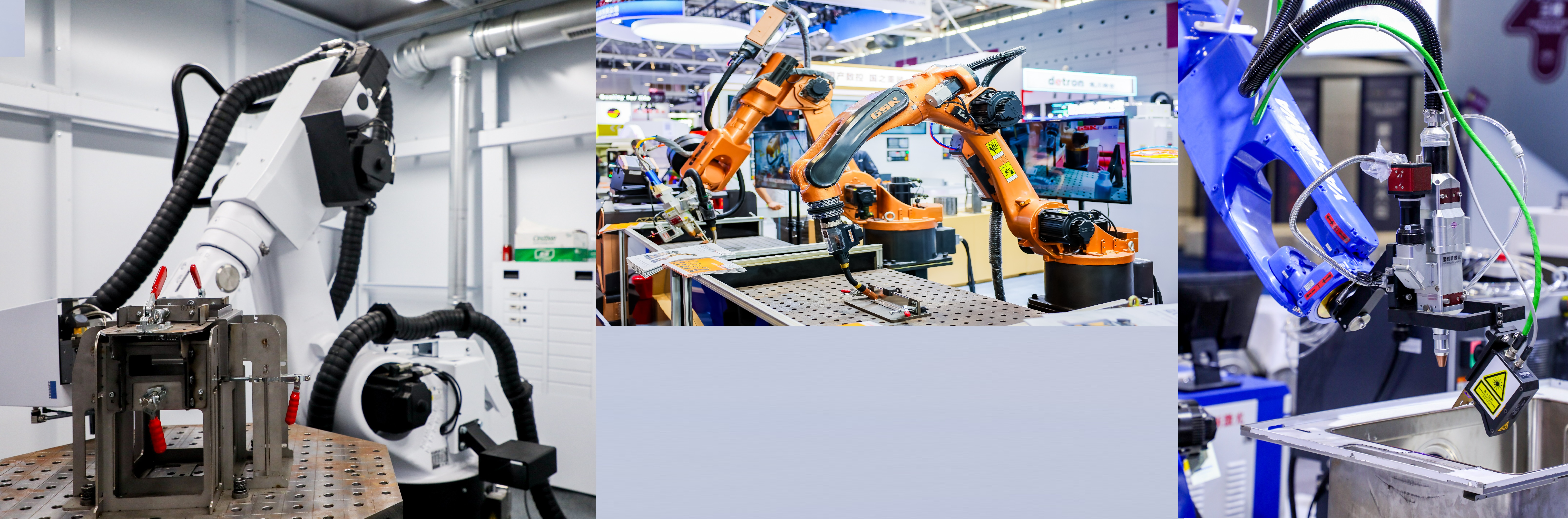
Understanding the tangible benefits of these innovations requires direct engagement with the equipment and its engineers. The Welding Technologies & Equipment zone at ITES Shenzhen is structured to serve this exact need. This zone brings together enterprises specializing in the full spectrum of welding solutions. Visitors can engage with experts operating resistance welding machines and observe high frequency induction welding demonstrations, comparing the characteristics and results of each process. The scope on display is comprehensive, extending from the core equipment—encompassing laser, arc, friction stir, and ultrasonic welding—to the complete intelligent welding cell. This includes integrated welding robots with machine vision for seam tracking, alongside essential auxiliary equipment like positioners, fixtures, and wire feeders. Furthermore, the exhibition addresses the complete workshop environment by showcasing fume extraction systems, personal protective equipment, and inspection tools.
The effective implementation of advanced welding technology hinges on matching a precise process to a specific material and joint design. Continuous innovation in resistance welding machines and high frequency induction welding provides manufacturers with more capable and reliable tools for this task. A robust supply chain ensures these tools are both advanced and accessible. The ITES Shenzhen exhibition crystallizes this dynamic landscape into a single, actionable event. We provide the platform where theoretical advancements become observable, operational systems. It is an opportunity for production engineers and factory planners to assess how next-generation welding solutions can be integrated into their own workflows to achieve gains in quality, speed, and operational control. This direct access to technology and expertise remains a vital resource for industrial advancement.