High-Precision Component Manufacturing for Medical Devices
【Introduction】 High-Precision Component Manufacturing for Medical Devices
Medical device functionality rests on a foundation of exacting physical components. The field of precision medical component manufacturing exists to meet this need, producing parts where microscopic tolerances, biocompatible materials, and flawless surface finishes are mandatory. These are not simply machined pieces; they are enabling elements for diagnostic, surgical, and life-supporting equipment. We will examine the standards governing this field and the specialized manufacturing ecosystem that brings such components to reality.
.png "图片7 (1).png")
The Science of Manufacturing for Medical Applications
Precision medical component manufacturing operates under a distinct set of parameters driven by end-use. Tolerances are measured in microns to ensure perfect assembly and fluid movement within devices like insulin pumps or robotic surgical arms. Material selection extends beyond mechanical properties to include biocompatibility, sterilizability, and long-term stability within the human body. Processes such as micromachining, laser cutting, and fine blanking are employed to create features that are often invisible to the naked eye. Furthermore, advanced surface treatments—passivation for corrosion resistance, specialized coatings for lubricity—are critical finishing steps. This entire process is documented and validated under a quality management framework, making a high precision medical component manufacturer not just a workshop, but a compliance-driven engineering partner.
Capabilities of Specialized Manufacturers
The role of a high precision medical component manufacturer integrates several advanced disciplines. It begins with design for manufacturability (DFM) input, where manufacturing engineers collaborate with device designers to optimize part geometry for production while maintaining intent. Prototyping phases utilize identical materials and processes to final production to de-risk the development cycle. In production, such a manufacturer employs closed-loop machining systems, in-process measurement, and statistical process control to ensure lot-to-lust consistency. Cleanroom assembly areas are common for final part handling and packaging. The capability to navigate both the technical fabrication challenges and the rigorous documentation requirements defines a competent supplier in this space.
The Integrated Supply Chain for Compliance and Innovation
A significant advantage within certain manufacturing regions is the concentration of supporting industries specific to medical technology. This ecosystem for precision medical component manufacturing includes certified material suppliers providing medical-grade polymers and alloys, specialized plating and coating services with relevant biocompatibility certifications, and providers of ultra-pure cleaning and packaging services. This geographic and technical proximity allows for faster iteration during development and more controlled, audit-ready supply channels during volume production. It creates an environment where a high precision medical component manufacturer can efficiently source qualified inputs and collaborate on advanced surface treatment technologies, directly addressing industry needs to enhance product performance and meet regulatory standards.
A Focused Platform for Industry Advancement at ITES Shenzhen
Engaging with this specialized supply base requires a targeted approach. The Core Components & Raw Materials Exhibition Zone at ITES Shenzhen is structured for this purpose. Focused on the upstream foundation of the medical device industry chain, this zone provides a direct channel to the technologies enabling advanced device manufacturing.
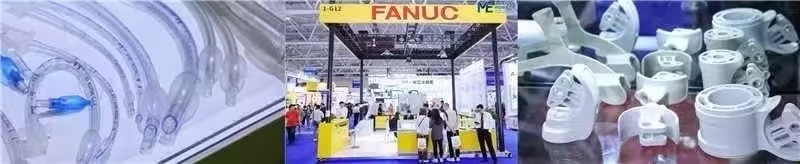
For engineers and sourcing professionals, ITES Shenzhen offers a consolidated view of the precision medical component manufacturing landscape. Exhibitors in this zone include specialists showcasing the precision components themselves, from miniature gears and hermetic connectors to complex structural housings. Critically, the zone also features the essential enabling technologies: producers of advanced engineering plastics and metals, experts in medical-grade surface treatments like anodizing and PVD coatings, and companies offering metrology and quality control solutions. Visiting this section of ITES Shenzhen allows for technical dialogue on overcoming specific design for manufacturability hurdles, evaluating new material options, and identifying partners capable of supporting a project from prototype through to validated production. It is a forum dedicated to solving technical bottlenecks and fostering the partnerships necessary for innovation.
The creation of components for medical devices demands a unique convergence of precision engineering, material science, and quality assurance. Specialized manufacturers have developed the methodologies and controls to operate in this space, supported by an ecosystem of certified material and processing partners. Advancing a medical device project often involves identifying and collaborating with these capable partners. The focused Core Components & Raw Materials Exhibition Zone at ITES Shenzhen exists to facilitate these connections, presenting a direct pathway to the suppliers and technologies that form the foundation of the next generation of medical devices. We provide this platform to support progress in this vital field.