The Role of Machine Vision in Automated Assembly: Positioning, Inspection, and Quality Control
【Introduction】 The Role of Machine Vision in Automated Assembly: Positioning, Inspection, and Quality Control
Modern assembly automation relies on a blend of mechanical precision and perceptual intelligence. While robots provide motion and repeatability, they operate effectively only within a known and controlled environment. This is where machine vision systems become indispensable. They serve as the sensory organs of an automated assembly line, delivering the critical data required for accurate part handling, verification, and compliance, thereby transforming a rigid sequence into an adaptive and reliable process.
Core Functions: Guidance, Verification, and Judgment
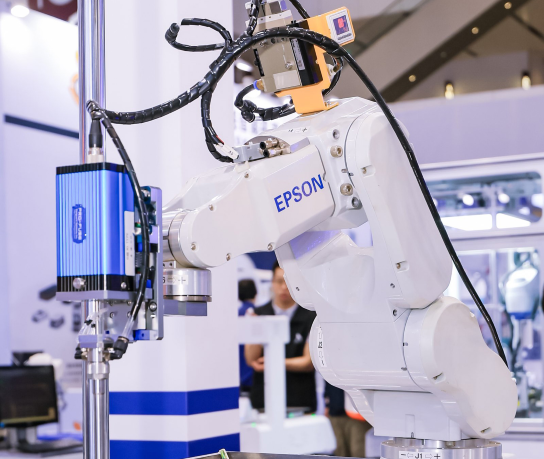
Machine vision fulfills three distinct, sequential roles within an assembly cell. The first is precise positioning. A vision system can locate a component presented in a random orientation on a conveyor or in a bin, calculate its coordinates and angular offset, and guide a robotic end-effector to pick it up correctly. This eliminates the need for costly and inflexible hard tooling for part presentation. The second role is inspection. After a part is placed or a process like screwdriving or dispensing is completed, vision cameras can perform instant verification. They can measure gap widths, check for the presence of all fasteners, or verify the correct placement of a label or connector. The third, and most advanced, role is quality control. Here, vision systems apply predefined pass/fail criteria based on complex image analysis, identifying defects like scratches, deformations, or contamination that would compromise the final product's function or safety.
The Integrated Technical Ecosystem for Implementation
The effective deployment of machine vision is supported by a cohesive supply network. This ecosystem includes not only the manufacturers of high-resolution cameras and specialized optics but also the developers of image processing software, the integrators who create lighting solutions for challenging surfaces, and the engineers who design the communication protocols between the vision system and the robotic controllers. For companies implementing assembly automation, this concentration of interrelated expertise is a significant advantage. It allows for sourcing complete, tested vision modules—comprising camera, lens, light, and software—that are designed for specific industrial tasks, such as verifying screw presence or inspecting dispensed adhesive beads. This integrated approach reduces engineering overhead and accelerates the integration of reliable vision-guided automated assembly into production lines.
The Exhibition as a Live Laboratory for Vision Technology
Understanding the practical application and capability of these systems requires direct observation. The Assembly Automation zone at ITES China is structured to provide this hands-on technical exposure. This section is dedicated to the complete spectrum of precision assembly technology. Within this environment, machine vision is not an isolated exhibit but an integrated component of working systems. Visitors can observe vision-guided robots performing delicate pick-and-place operations, see inline inspection systems verifying assembly results in real-time, and examine how force feedback and vision data are combined for complex tasks like precision press-fitting. The exhibition scope at ITES China encompasses the core elements: from industrial robots and smart tightening tools to the essential auxiliary equipment, including the machine vision systems and automated quality inspection units that make closed-loop assembly automation possible. It is a forum to engage with specialists who can demonstrate how vision solutions address specific challenges in electronics, automotive sub-assembly, or medical device manufacturing.
Machine vision provides the deterministic feedback necessary for robust and intelligent automated assembly. It closes the loop between physical action and digital verification, ensuring that each step in the assembly process meets its specified outcome. The availability of a mature supply chain for vision components and integration expertise lowers the barrier to implementing these advanced capabilities. For engineers designing or upgrading assembly systems, platforms that demonstrate these technologies in an applied context are essential. ITES China offers this context, presenting machine vision not as a standalone product but as a critical, enabling technology within the broader framework of precision assembly automation. It allows for the evaluation of how these systems perform in simulated production scenarios, informing decisions that enhance line efficiency and product quality.