Key Components & Modules in Assembly Automation: Feeding Systems, Positioning Units, Smart Tools
【Introduction】 Key Components & Modules in Assembly Automation: Feeding Systems, Positioning Units, Smart Tools
Building a reliable automated assembly line involves more than selecting a primary robot. The consistent quality and uptime of the entire system often depend on the performance of its foundational modules. As a platform connecting manufacturing technology, we see how critical feeding, positioning, and fastening are to successful assembly automation solutions. These elements form the core of any automated assembly solutions project, determining its speed, precision, and long-term reliability in precision component production.
The Critical Role of Feeding and Conveying Systems
The first operational requirement for any automated cell is the consistent, oriented presentation of parts. Feeding systems, including vibratory bowls, linear conveyors, and tray feeders, perform this fundamental task. Their design dictates the line's potential throughput and directly impacts downtime; a feeder that jams or misfeeds will halt the entire process. In sophisticated assembly automation solutions, these systems integrate sensors and vision to verify part presence and orientation beforehand. The reliability of this initial module sets the operational baseline. For manufacturers evaluating automated assembly solutions, the robustness and flexibility of the feeding technology are primary considerations, as changing a product design often necessitates reconfiguring or replacing these feeding mechanisms.
Achieving Precision with Positioning and Centering Devices
Once a part is presented, it must be held in a known, exact location for the assembly operation. This is the function of precision positioning units, jigs, and centering devices. These modules provide the mechanical reference frame for all subsequent actions, whether it's a robot placing a component or a tool performing a task. Thermal stability, vibration resistance, and repeatability are their key attributes. In applications like press-fitting or accurate dispensing, micron-level accuracy in part location is non-negotiable to ensure product function. The integration of these positioning units with force control or vision systems creates a closed-loop process that can adapt to minor part variances, enhancing the flexibility and robustness of the overall assembly automation solutions.
Executing Tasks with Smart Tools and End-Effectors
The final action in the assembly sequence is performed by the tooling. This category includes servo-electric screwdrivers, dispensing valves, soldering heads, and custom grippers. Modern "smart" tools, such as brushless torque-controlled screwdrivers, provide data-logged process control, ensuring each fastener meets a precise torque-angle specification. These tools transform a simple mechanical action into a verifiable quality checkpoint. Similarly, intelligent dispensing tools regulate pressure, time, and temperature to apply consistent amounts of adhesive or sealant. The end-effector, often mounted on a robot, is the interface between the automation system and the product. The selection and integration of these smart tools are what allow automated assembly solutions to meet stringent quality standards in sectors like electronics and medical device manufacturing.
Sourcing and Integrating a Complete Technical Ecosystem
Implementing these modules requires more than purchasing components; it involves integrating them into a synchronized system. This demands access to a technical ecosystem that provides both the core equipment and the engineering know-how for integration. Engaging with specialists who supply key components & modules—from robot end-effectors to force control systems—offers advantages in system coherence and support. This collaborative approach can streamline the development of specialized & integrated solutions, such as complete automated assembly lines for specific industries.
The Advantage of Direct Evaluation in a Focused Environment
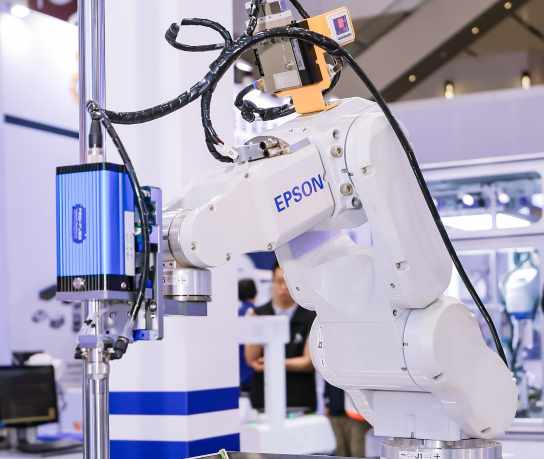
Given the hands-on nature of these technologies, evaluating them through specifications alone is insufficient. Understanding the interaction between a feeding system and a vision inspection unit, or the feedback from a smart tightening tool, benefits from direct observation. The Assembly Automation section at ITES China is structured for this purpose. The exhibition scope presents these key components in an operational context. Attendees can examine core assembly equipment like industrial robots alongside the vital modules that enable them: automatic feeding & conveying systems, precision positioning devices, and smart tightening tools.
This zone provides a practical venue for comparison and discovery. A production engineer can assess the speed and noise level of different feeders, discuss torque repeatability with tooling specialists, and see machine vision systems integrated with robotic cells. It connects those who build assembly automation solutions with those who seek to implement automated assembly solutions for screw fastening, dispensing, or press-fitting processes. This concentrated access to the complete chain of technology, from individual components to turnkey systems, makes ITES China a relevant destination for professionals focused on advancing their assembly capabilities through practical, verified automation.