Latest Machine Vision Inspection Technologies for Defect, Dimensional, and Appearance Testing
【Introduction】 Latest Machine Vision Inspection Technologies for Defect, Dimensional, and Appearance Testing
Manufacturing precision has entered an era where human visual inspection is often insufficient for guaranteeing quality. Modern production, especially in sectors like semiconductors and new energy batteries, requires consistent, high-speed verification that only automated systems can provide. This is the domain of machine vision for quality inspection, where optical systems, cameras, and algorithms work to identify defects, measure critical dimensions, and assess surface appearance. We recognize that implementing a robust machine vision system for automatic inspection is a strategic step toward achieving zero-defect goals and ensuring product reliability across countless industries.
Core Inspection Capabilities: Defect, Dimension, and Appearance
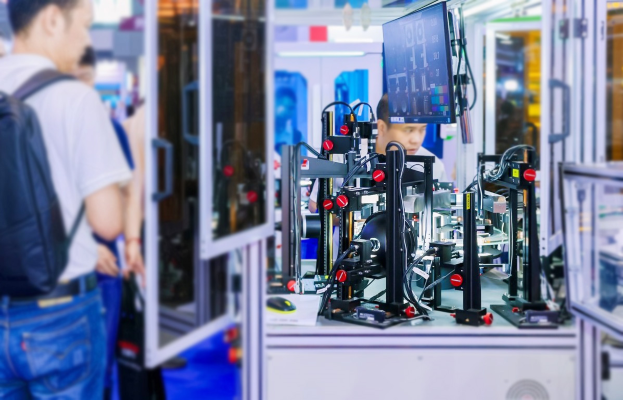
A functional machine vision for quality inspection deployment typically addresses three interconnected areas. Defect detection systems identify flaws such as scratches, cracks, or contaminations on components, a process vital for electronics and automotive parts. Dimensional measurement verifies that part geometries—hole diameters, connector spacings, contour edges—adhere to strict tolerances, often at micron-level precision. Appearance testing evaluates surface finish, color consistency, and the correct presence of labels or markings. Each application demands specific lighting, lens, and software configurations. Together, these capabilities form a complete machine vision system for automatic inspection that operates with speed and objectivity unmatched by manual methods.
The Integrated Supplier Ecosystem for Vision Solutions
Developing and deploying these systems relies on a cohesive chain of specialists. The market includes suppliers of core components like industrial cameras and lenses, developers of specialized vision software platforms, and integrators who assemble complete turnkey inspection stations. A significant segment of this global supply network operates with strong manufacturing and R&D capabilities. This concentration allows for a responsive approach to customization and can offer advantages in prototyping speed and iterative development for specific inspection challenges. When sourcing a machine vision system for automatic inspection, evaluating a supplier’s vertical experience in your industry—whether 3C electronics or machinery manufacturing—is as important as reviewing their technical specifications.
A Concentrated Display of Vision Technology and Integration
Understanding the practical application and integration complexity of these systems benefits from direct observation. The Machine Vision Applications and Inspection Equipment section at ITES Shenzhen serves as a focused forum for this exploration. This dedicated zone within our larger industrial manufacturing trade fair directly addresses the precision needs of component production. Here, the concepts behind machine vision for quality inspection materialize into operational hardware and software. Visitors can examine a range of solutions, from standard CCD vision inspection equipment to advanced AOI (Automated Optical Inspection) systems and AI-powered deep learning platforms designed to identify complex or variable defects.
The exhibition scope at ITES Shenzhen presents the full spectrum of vision technology. Beyond standard 2D inspection, the zone highlights advanced solutions for more complex tasks. This includes 3D vision systems using structured light for precise volumetric measurement and bin-picking solutions that guide robots in unstructured environments. Additionally, a suite of identification technologies, such as high-speed code readers and OCR/OCV systems for character verification, is on display. This comprehensive showcase allows engineers to assess not just a single camera, but the complete toolset needed to build a reliable machine vision system for an automatic inspection cell.
Implementing vision inspection is a technical process that connects optical engineering with software logic and mechanical handling. The ITES Shenzhen event provides an environment where these disciplines converge. By assembling a critical mass of machine vision component providers, system integrators, and software developers within a dedicated zone, we enable a practical and efficient evaluation process. For manufacturing professionals focused on elevating product quality and production line intelligence, this direct access to technology and expert dialogue offers a clear path to understanding how the latest inspection technologies can be applied to their specific operational challenges. This hands-on engagement is a necessary phase in adopting the automated precision that modern manufacturing standards demand.