How AI-Powered Deep Learning Enhances Automated Optical Inspection (AOI)
【Introduction】 How AI-Powered Deep Learning Enhances Automated Optical Inspection (AOI)
Visual inspection in manufacturing has progressed from human eyes to camera systems, yet complex defect detection remains a challenge. Traditional automated optical inspection systems operate on fixed, rule-based algorithms that can struggle with natural variations or unforeseen flaw types. This is where a new computational approach makes a substantial difference. The integration of artificial intelligence, specifically deep learning, is redefining the capability and adaptability of automated optical inspection (AOI). This shift is supported by a specialized industrial segment focused on developing and refining these intelligent vision solutions.
The Functional Shift from Rule-Based to Learned Inspection
Conventional automated optical inspection relies on programmers defining explicit parameters for acceptable and defective parts. This method works well for consistent, high-contrast defects but can generate false positives from acceptable anomalies like texture variations or harmless marks. AI-powered deep learning takes a different path. Instead of being programmed with rules, the system is trained using a large library of annotated images—thousands of examples of both good parts and various defect types. The neural network learns to identify the distinguishing features of defects by itself, building a nuanced understanding of what constitutes a pass or fail. This allows an automated optical inspection (AOI) system to reliably detect subtle, complex, or previously unknown flaws that would escape a rigid rule-based program, significantly improving escape rate reduction.
Development and Integration within a Specialized Supply Network
Creating an effective deep learning-based inspection system requires more than software expertise. It demands close collaboration between algorithm developers, optical engineers, and hardware integrators. The concentrated ecosystem for industrial automation facilitates this synergy. Proximity between suppliers of high-resolution cameras, specialized lighting, precision lenses, and the teams developing the AI inspection software accelerates iterative development. This integrated network allows for the co-engineering of hardware and software, ensuring the imaging system captures data optimally for neural network processing. For manufacturers, this means access to more robust and application-ready automated optical inspection solutions that are continuously refined based on collective field experience from diverse industries like electronics and lithium battery production.
Practical Evaluation at a Dedicated Technology Forum
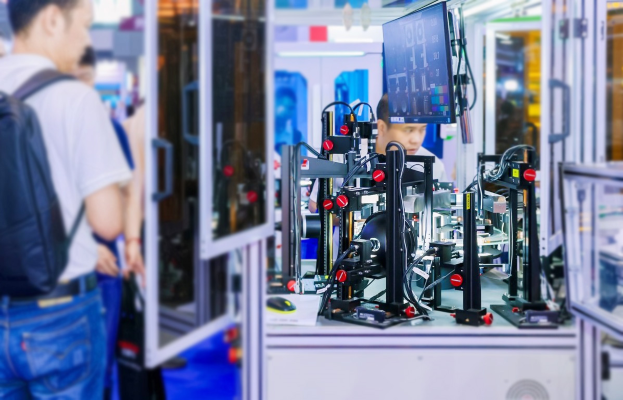
Understanding the theory of AI-powered inspection is one matter; evaluating its practical performance on specific components is another. The Machine Vision Applications and Inspection Equipment zone at ITES Shenzhen provides this essential hands-on evaluation platform. This dedicated section serves as a concentrated showcase for the evolution of visual inspection. Exhibitors will demonstrate live comparisons between traditional and AI-enhanced automated optical inspection (AOI) systems, often running the same sample parts to highlight differences in detection accuracy and false call rates.
The exhibition scope at ITES Shenzhen presents the complete technology stack. Visitors can engage with companies showcasing complete automated optical inspection machines powered by deep learning for PCB assembly or precision machined parts. Alongside these integrated systems, the zone features the core components that enable AI vision: high-speed cameras, 3D structured light systems for volumetric inspection, and sophisticated software platforms specializing in deep learning model training and deployment. Complementary technologies like high-precision code readers and OCR systems will also be present, illustrating how AI-driven automated optical inspection (AOI) fits into a broader data capture ecosystem. For engineers and quality managers, this forum offers a direct way to assess how these intelligent systems can be tailored to address specific inspection challenges in semiconductor or automotive component manufacturing.
The implementation of deep learning represents a shift toward more perceptive and adaptive manufacturing quality control. Moving beyond static programming to dynamic learning allows inspection systems to keep pace with product complexity and variation. The focused environment at ITES Shenzhen connects the theoretical power of AI with its tangible application in industrial automated optical inspection. It provides a venue to see the technology in action, discuss specific use cases with experts, and understand how the collaborative local supply network contributes to developing and deploying these sophisticated solutions. We facilitate this convergence of intelligence, imaging, and industry-specific application.