【导语】 Source laser cutting services from China — precision sheet metal and tube cutting at a fraction of Western prices.
Here is a price difference that explains why china laser cutting services have taken over global fabrication: a 6 kW fiber laser cutting machine from a Chinese builder sells for roughly US80,000–90,000, while a comparable German machine runs US200,000–230,000. When the machine cost drops that far, the cost of every cut part drops with it — and that is the story of why buyers across the world now source laser cutting from China.
The collapse started with the laser itself. Fiber laser sources — the "engine" of every cutter — were once imported; today they are overwhelmingly Chinese. Domestic localization reached over 98% for sub-6 kW lasers, over 90% for 6–10 kW, and close to 80% above 10 kW. The result: China now holds about 56.6% of the global laser cutting equipment market, with an installed base above 800,000 machines and exports topping RMB 14 billion in 2025 — rising for eight straight years.
For a buyer, this means laser cutting is no longer a premium, capacity-constrained process. It is a commodity service available at scale, with the pricing that implies.
The service spans more than most buyers realize:
Sheet metal cutting — carbon steel, stainless steel, aluminum and copper, from thin gauge to 100 mm carbon steel on high-power machines.
Tube and profile cutting — round, square and shaped sections for frames, rails and structural parts.
Precision cutting — tight-tolerance profiles and complex contours for brackets, flanges and decorative panels.
Materials beyond steel — aluminum, brass, copper and even coated materials, each with tuned parameters.
High-power is now mainstream: 10 kW-and-above machines account for over a third of the market, and 30 kW sources are domestically available. That means the thick-plate work that once required premium machines is now widely serviced.
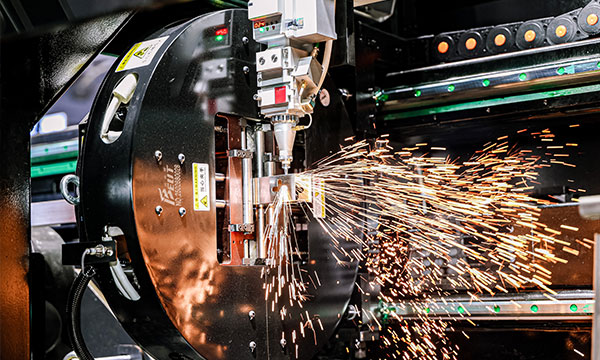
Two caveats keep this market honest. First, the extreme top end still leans Western — Germany's TRUMPF and America's IPG hold the highest-precision niches, and for the most demanding aerospace or micro-cutting work a premium machine still earns its price. Second, a price war has compressed margins and widened the quality gap between shops, so two vendors quoting the same drawing can deliver noticeably different edge quality, burr control and consistency. Screening the shop matters as much as the price.
The equipment side gives you reliable anchor points. Han's Laser — among the world's largest laser makers — posted 2025 revenue of RMB 18.76 billion with over a quarter from overseas. Bodor Laser has led global cutter unit sales for seven consecutive years, shipping more than 8,000 machines in 2024 to 180-plus countries. Raycus leads domestic fiber laser sources, and HGTECH (Huagong Tech) anchors the Wuhan "optics valley." The clusters — Shenzhen in the south, Wuhan in the center, Jinan in the north — are where the actual job shops you will contract with are concentrated.
Send a drawing with material and thickness. Steel grade, gauge, tolerances and any bend or weld prep determine cut parameters and cost.
Specify edge quality. Burr allowance, kerf and edge condition should be stated, not assumed — this is where cheap shops cut corners.
Confirm the machine class. For thick or hard material, ask whether the shop runs 10 kW or higher; for thin precision work, confirm they have the right source and assist-gas setup.
Ask about nesting and material yield. Good shops optimize nesting to reduce waste — a real cost lever on large runs.
Run a first-article sample. Approve cut quality on a physical sample before committing volume, and agree on inspection criteria.
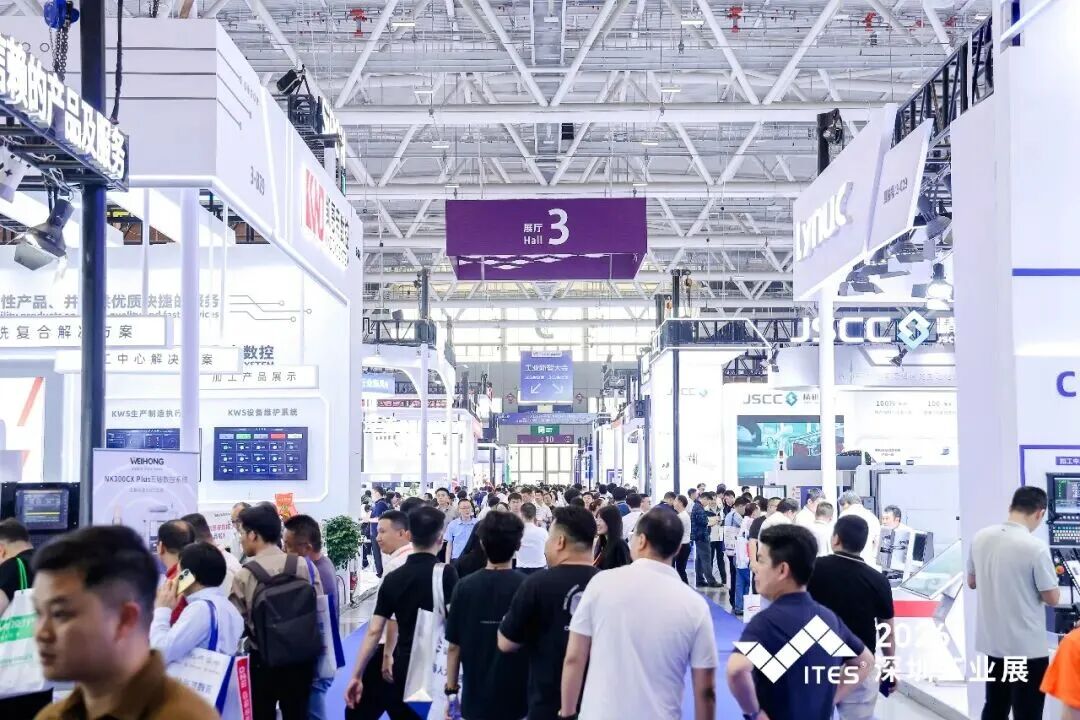
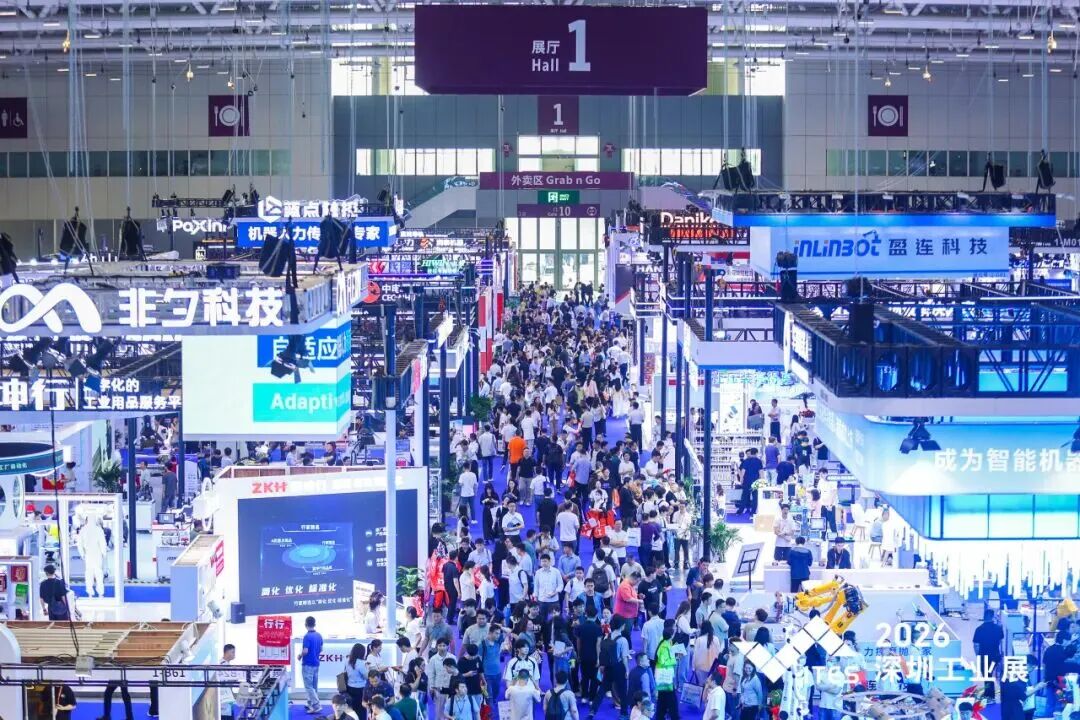
Shenzhen is the southern hub of China's laser industry, surrounded by the job shops and equipment makers that feed it. For a focused, verified approach, ITES Shenzhen Industrial Exhibition (March 24–27, 2027, Shenzhen World Exhibition & Convention Center, Bao'an) brings laser cutting, sheet metal fabrication and precision machining suppliers into one venue — the place to compare shops, inspect cut quality and negotiate delivery in a single trip.
How much cheaper is laser cutting in China?Chinese fiber laser machines typically run 30–50% below comparable imports, and in less precision-critical applications the gap can be larger — savings that flow through to per-part pricing.
What materials and thicknesses can Chinese services cut?Carbon steel, stainless steel, aluminum, copper and coated materials, from thin gauge up to around 100 mm carbon steel on high-power machines.
How do I ensure good edge quality?Specify burr allowance and edge condition in the drawing, confirm the machine class, and approve a first-article sample before volume.
Do I still need Western machines for anything?For the most demanding aerospace or micro-precision cutting, TRUMPF and IPG still lead. For mainstream sheet metal and structural work, Chinese machines now compete directly.
The machine cost has collapsed and the capacity is enormous — which makes capability screening, not price, the real differentiator. Spec the drawing properly, confirm the machine class and approve a sample. Plan your visit to ITES Shenzhen Industrial Exhibition 2027 and connect with verified laser cutting and metal fabrication suppliers in one place.