【导语】 How to verify Chinese suppliers with third-party inspections, factory audits and AQL — plus the best firms to hire.
Here is the arithmetic that should shape every sourcing decision: a single bad shipment from China costs an importer US15,000–60,000 on average** once freight, returns and dead inventory are counted — and a **US300 third-party inspection would usually have caught it. China supplier verification is not a compliance chore; it is the cheapest insurance in your supply chain, and the buyers who treat it that way are the ones who sleep at night.
The gap is structural. A factory's own QC team reports to the factory — it is incentivized to pass product, not to flag it. An independent inspector reports to you. That single difference is why experienced importers treat quality control china as a fixed cost, not an optional add-on, and why the market for it has grown into a multi-hundred-firm industry.
The cost is measured per man-day, and the all-inclusive rate spans roughly US$180–350 depending on the firm and location. The tiers are clear:
Independent specialists (V-Trust, TESTCOO, AQI Service) — US$188–298 per man-day, best for small and mid-sized buyers.
Digital-first platforms (QIMA) — around US$309, bookable online, inspectors on-site within 48 hours, same-day reports.
Global TIC giants (SGS, Bureau Veritas, Intertek) — US$398–520, the standard when a retailer demands ISO, BSCI or Sedex-linked audits.

Not all inspections are the same. The four that protect you at different stages:
Pre-production check — verifies materials and molds before anything is made. Catches the wrong raw material before it becomes a production run.
During-production (DUPRO) — samples at 20–40% completion, catching defects early enough to correct rather than rework.
Pre-shipment inspection (PSI) — the critical one. Full AQL sampling once 80% of goods are packed, giving you a pass/fail decision before you pay the balance.
Container loading supervision — confirms the goods you inspected are the goods that actually ship.
The linchpin is AQL — the Acceptance Quality Limit. It defines how many minor, major and critical defects you will accept, and it is the single most important number to set before an inspector walks in.
Two caveats. First, 300+ inspection firms operate in China, and quality varies as much as the factories they audit — a firm that is cheap because it takes commissions from suppliers is worse than none. Second, verification reduces risk but never eliminates it; even the best inspection is a sample, not a guarantee. The goal is to catch systematic problems before they become container-sized losses, not to achieve zero defects.
SGS — the Swiss standard since 1878, with 90+ branches and 200+ labs in China alone; the default for enterprise orders and certified audits.
Bureau Veritas — the go-to for EU retail compliance and hardlines.
Intertek — strongest in electronics, toys and battery testing.
TÜV Rheinland / TÜV SÜD — German rigor for machinery, CE and GS certification.
QIMA — the digital-first leader with 2,000+ inspectors; ideal for e-commerce and DTC brands.
V-Trust — Guangzhou-based, full-time inspectors only (to reduce bribery risk), 24-hour reports, zero commission from factories.
Verify before you order, not after. Run a factory audit on any new supplier before placing the first order — it costs a few hundred dollars and screens out the trading companies posing as factories.
Set your AQL in writing. Define minor, major and critical defect limits in the purchase order, so inspection has a clear pass/fail standard.
Inspect at the right stages. At minimum, a pre-shipment inspection; add pre-production and DUPRO for higher-value or first-time orders.
Hire an independent inspector. Never rely on the factory's own QC; an independent party reports to you, not to the supplier.
Use the report in payment terms. Tie the final payment to a passing PSI report, so quality is enforced by your money, not your trust.
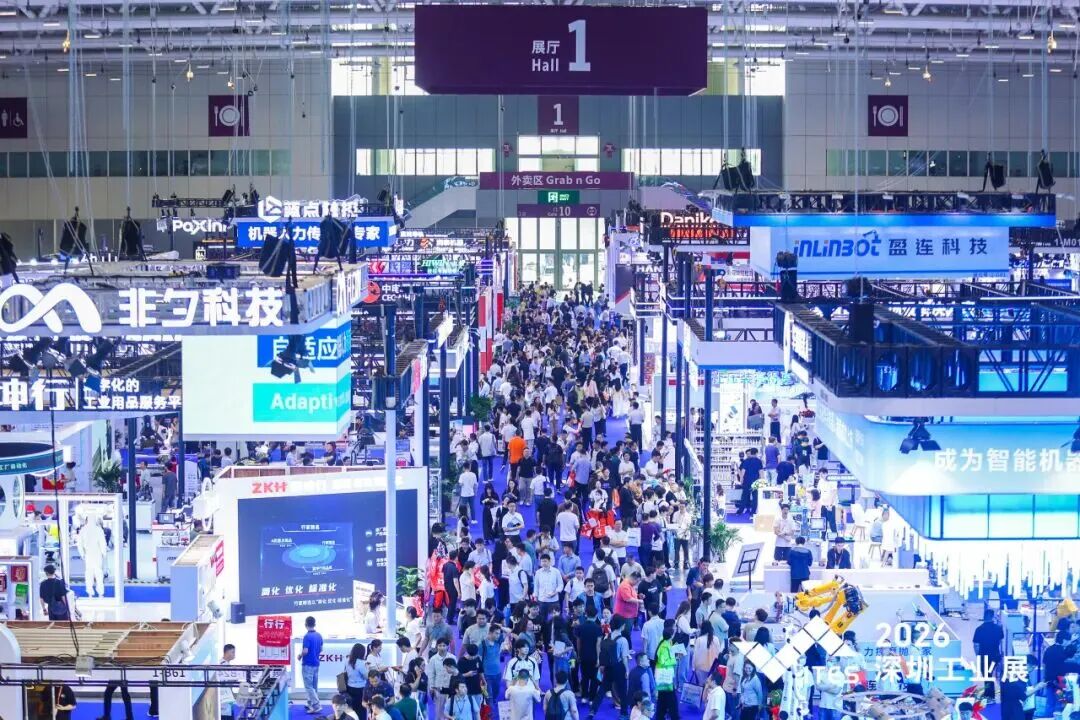
Verification is easier when you meet the supplier first — seeing a factory under power tells you more in an afternoon than weeks of email. ITES Shenzhen Industrial Exhibition (March 24–27, 2027, Shenzhen World Exhibition & Convention Center, Bao'an) brings the machine tool, automation, robotics and precision manufacturing supply chain into one venue — the place to meet verified suppliers across every category, from machine tools and manufacturing equipment to precision machining and sheet metal fabrication, and assess their capability in person before you commit.
How much does a China factory audit cost?Roughly US$250–400 per man-day depending on the firm, location and audit type. It is a fraction of what a bad first order can cost.
What is AQL and why does it matter?AQL (Acceptance Quality Limit) defines the maximum acceptable number of minor, major and critical defects in a sample. It is the pass/fail standard your inspector uses — set it in writing before inspection.
Can I rely on the factory's own QC?No. A factory QC team is not independent and may be pressured to pass product. A third-party inspector reports to you, which is the whole point.
Which inspection firm should I choose?Small and mid-sized buyers: V-Trust, TESTCOO or QIMA. Enterprise orders requiring certified audits: SGS, Bureau Veritas or Intertek. Machinery and CE/GS certification: TÜV Rheinland or TÜV SÜD.
Quality is enforced by your process, not your optimism. Audit new suppliers, set your AQL, inspect before shipment and tie payment to a passing report. Plan your visit to ITES Shenzhen Industrial Exhibition 2027 and meet suppliers you can verify face to face — across every sourcing category on this site.