 Countdown157days
2027.3.24-3.27 Shenzhen World Exhibition & Convention Center
Countdown157days
2027.3.24-3.27 Shenzhen World Exhibition & Convention CenterOverview of Precision Mold Manufacturing: Processes and Industry Applications
【Introduction】 Overview of Precision Mold Manufacturing: Processes and Industry Applications
At the core of mass-produced items, from automotive interiors to medical device housings, lies a critical piece of industrial art: the precision mold. The capability of a precision mold manufacturer directly dictates product quality, material efficiency, and production cycle times. This article outlines the fundamental processes involved in precision mold manufacturing and its cross-industry applications, while highlighting the integrated supply chain advantages that have become significant in this field.
Foundational Processes in Mold Creation
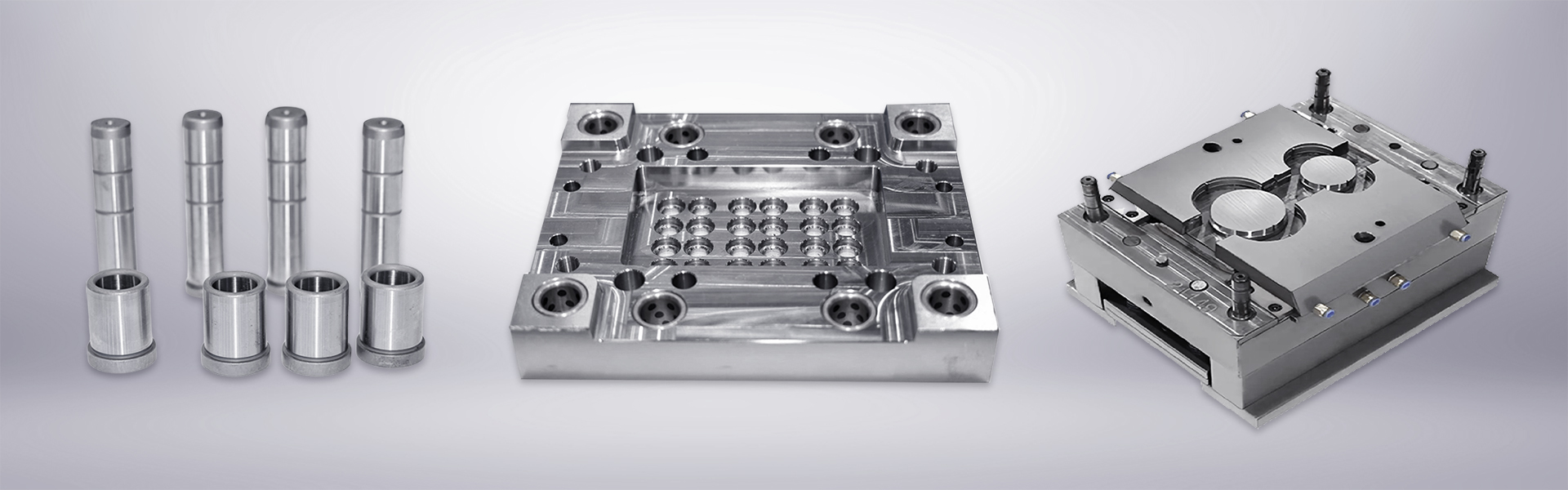
The journey of precision mold manufacturing begins long before metal is cut. It starts with collaborative design and simulation, where CAD and CAE software are used to anticipate material flow, cooling rates, and potential defects. This digital prototyping phase is crucial for avoiding costly revisions. The physical manufacturing then relies on advanced CNC machining, EDM (Electrical Discharge Machining), and grinding to achieve the required micron-level tolerances in the mold cores and cavities. Each step, from selecting the appropriate grade of tool steel to executing complex machining paths, requires deep technical expertise. A capable precision mold manufacturer masters this sequence, ensuring that the mold not only forms the product correctly but also withstands hundreds of thousands of cycles in high-pressure injection or stamping environments.
Driving Innovation Across Multiple Sectors
The application of precision molds is ubiquitous across advanced manufacturing sectors. In automotive manufacturing, molds produce everything from intricate lamp lenses to large dashboard components, requiring materials that offer both durability and fine finish. The consumer electronics industry demands molds capable of creating thin-walled, aesthetically perfect casings with tight tolerances. For medical devices, molds must produce parts in compliant materials, often with complex geometries for fluid handling, and adhere to rigorous cleanliness standards. Each industry imposes unique requirements on mold design, material science, and surface treatment, pushing precision mold manufacturing toward greater specialization and innovation to meet specific application challenges.
The Exhibition as a Convergence Point for the Mold Ecosystem
To witness the full spectrum of this specialized field—from raw materials to finished tooling—industry professionals look to major trade platforms. ITES China serves as this comprehensive convergence point. The exhibition dedicates a substantial segment to Precision Molds & Dies, mapping the entire supply chain under one roof. Attendees can explore everything from Mold Materials, including specialized steels and alloys, to Mold Digitalization & Auxiliary Equipment featuring the latest in CAD/CAM and simulation software. A key section on Mold Surface Treatment showcases technologies like PVD coating and nitriding, which are essential for enhancing mold longevity. Furthermore, the zone for Mold Components and Maintenance Consumables connects manufacturers with suppliers of hot runner systems, precision ejector pins, and maintenance solutions, completing the ecosystem. This layout allows visitors to evaluate technologies, compare suppliers, and discover how integrated processes solve specific production challenges.
The domain of precision mold manufacturing is a sophisticated blend of design artistry, material science, and mechanical engineering. Its processes form the backbone of product manufacturing across vital global industries. For teams involved in procurement, R&D, or production, engaging with the entire ecosystem is the most effective way to source solutions and drive innovation. We provide the platform where every element of this chain, from a precision mold manufacturer to a specialist coating provider, is present and accessible. At ITES China, the entire world of advanced tooling and die-making is assembled for professional exploration and collaboration.