 Countdown157days
2027.3.24-3.27 Shenzhen World Exhibition & Convention Center
Countdown157days
2027.3.24-3.27 Shenzhen World Exhibition & Convention CenterComparing Metal Molds: Stamping, Die-Casting, Forging, and Extrusion
【Introduction】 Comparing Metal Molds: Stamping, Die-Casting, Forging, and Extrusion
When evaluating production methods for metal components, the selection of a forming process is a primary technical decision. The distinct approaches of stamping, die-casting, forging, and extrusion each offer specific advantages, governed by the principles of material science and mechanical engineering. For professionals in procurement, R&D, and supply chain management, a clear comparison is not merely academic—it directly impacts product performance, cost efficiency, and project viability. We aim to provide a clear framework for this essential evaluation, highlighting how specialized metal mold manufacturers contribute to each method's success.
Defining Characteristics of Each Forming Process
The four processes differ fundamentally in how force is applied to the material. Stamping employs a press and a die to shape or cut sheet metal, making it highly efficient for producing high volumes of parts with consistent, relatively simple geometries, such as brackets or enclosures. Die-casting forces molten metal—typically aluminum, zinc, or magnesium alloys—into a mold cavity under high pressure. This allows for the production of components with complex shapes, fine details, and excellent surface finish. Forging involves deforming solid metal, usually steel, using compressive force, often while hot. This process aligns the metal's grain structure, yielding parts with superior strength, toughness, and fatigue resistance, which are critical for safety components. Extrusion pushes heated metal through a shaped die to create long, linear products with a consistent cross-section, like tubes, rods, or structural profiles, offering efficiency for such geometries.
The Ecosystem of Specialized Metal Mold Making in China
The effectiveness of any process is contingent on the quality and sophistication of the tooling. This is where the depth of the Chinese industrial supply chain becomes a significant factor. Rather than generalists, the landscape is populated by highly focused metal mold manufacturers who have developed profound expertise in a single domain. A facility dedicated to metal mold making for forging will possess specialized knowledge in thermal management and grain flow simulation, while a die-casting mold specialist masters complex cooling channels and vacuum systems to prevent porosity. This concentration of expertise allows for deeper innovation, more precise manufacturing, and proactive problem-solving. For global businesses, accessing this network means partnering with suppliers who can optimize the mold for the specific material and performance requirements of the intended process, from the selection of specialty mold steels to the implementation of advanced surface treatments.
ITES Shenzhen: A Direct Portal to Process-Specific Solutions
Theoretical understanding must eventually translate into practical sourcing and specification. This is the core function of ITES Shenzhen. The event is structured to move professionals from concept to vendor engagement efficiently. For teams comparing the durability of a forging mold against the complexity achievable with die-casting, ITES Shenzhen offers a tangible environment for side-by-side evaluation. It connects you directly with the metal mold manufacturers who define industry capabilities, enabling technical discussions about your specific application needs.
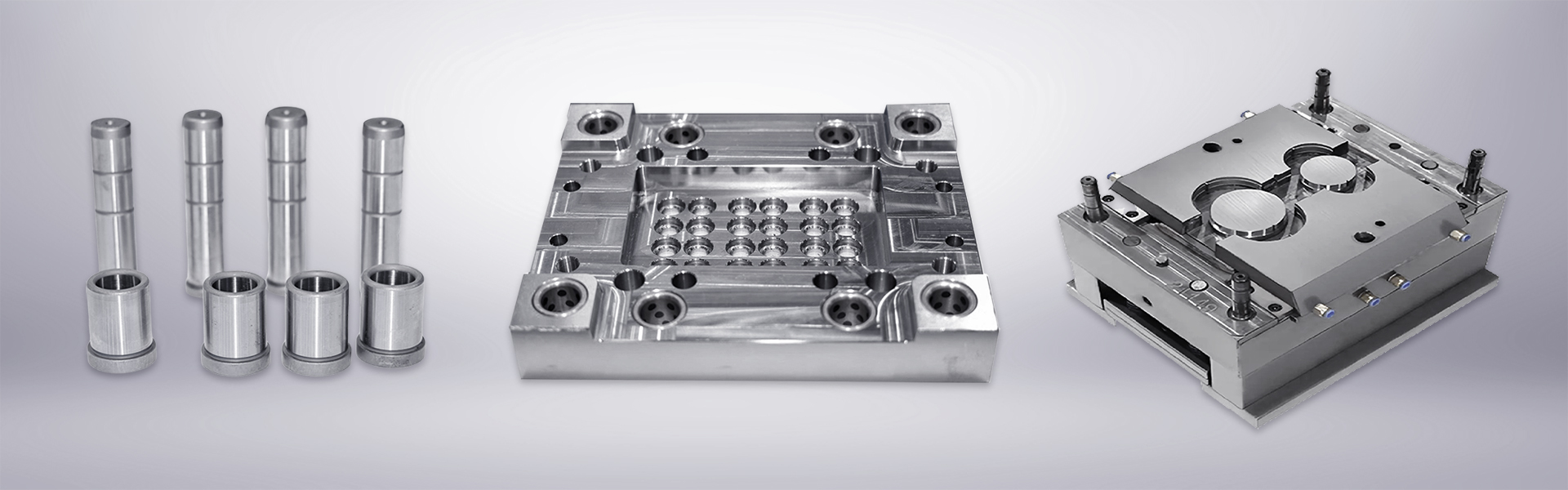
The exhibition's scope provides a complete map of the precision mold ecosystem. You can inspect and discuss the hardware molds central to this comparison—stamping, die-casting, forging, and extrusion molds. Beyond the finished tools, the event showcases the entire value chain: the advanced metallic materials like powder metallurgy steels that form them; the critical mold components such as hot runner systems and precision guides that ensure their function; and the digital technologies from CAD/CAE software to digital twin machining that drive their design and fabrication. Furthermore, technologies that extend mold life and performance, including PVD coating services and specialized maintenance consumables, are presented by a wide array of exhibitors.
Selecting the appropriate metal forming process is a multidisciplinary decision with long-term implications for product integrity and manufacturing efficiency. This decision is best informed by engaging with specialists whose entire focus is the metal mold making discipline for that specific method. The concentrated expertise available through specialized metal mold manufacturers provides a tangible advantage in achieving optimal outcomes. To conduct this evaluation with full context, we propose a direct engagement with the source. ITES Shenzhen exists to facilitate these critical comparisons, offering a comprehensive, real-world platform where engineering discussions with experts can immediately inform and advance your component strategy.