 Countdown164days
2027.3.24-3.27 Shenzhen World Exhibition & Convention Center
Countdown164days
2027.3.24-3.27 Shenzhen World Exhibition & Convention CenterMiniaturized Components and Microfabrication in Modern Medical Devices
【Introduction】 Miniaturized Components and Microfabrication in Modern Medical Devices
Within the medical device industry, the drive towards minimally invasive procedures and portable diagnostics relies fundamentally on the ability to produce increasingly smaller and more complex components. This trend makes precision medical component manufacturing a central discipline, pushing the boundaries of microfabrication. As ITES China, we see this field as one where engineering capability directly enables medical advancement. The creation of miniaturized parts—from intricate gears for surgical robots to micro-fluidic channels for diagnostic cartridges—demands an exceptional level of accuracy, often at a scale measured in microns. This specialized form of precision medical component manufacturing integrates advanced processes to achieve tolerances and surface finishes that ensure device reliability, biocompatibility, and intended function.
Technical Complexities in Micro-Scale Fabrication
The shift to miniaturization introduces distinct technical hurdles. Conventional machining approaches reach their limits, necessitating the use of specialized microfabrication techniques. Processes like micro-milling, laser ablation, photochemical etching, and micro-scale additive manufacturing become essential. For a high precision medical component manufacturer, success depends on controlling factors like tool deflection, thermal distortion, and material grain structure, which can disproportionately affect part geometry at tiny scales. Furthermore, components for implantable or fluid-handling devices require not just dimensional accuracy but also specific surface characteristics—whether ultra-smooth to prevent bacterial adhesion or textured to promote tissue integration. This level of precision medical component manufacturing is as much about material science and process control as it is about machining itself.
The Specialized Supplier Ecosystem for Advanced Medical Parts
Meeting these stringent requirements has fostered a concentrated and highly capable supply chain. The network of firms specializing as a high precision medical component manufacturer has developed deep expertise in navigating the dual demands of extreme precision and regulatory compliance. A significant advantage within this ecosystem is its integrated approach. Suppliers often manage the entire value chain, from material selection of medical-grade alloys or polymers to finishing with biocompatible coatings, all under documented quality management systems. This vertical integration provides device OEMs with a streamlined partnership. Collaborating with a capable high precision medical component manufacturer in this network allows for co-development, where manufacturing feasibility is considered during the design phase, reducing time-to-market for innovative devices.
The Platform for Sourcing and Technical Exchange
Identifying and qualifying a partner for such critical precision medical component manufacturing requires direct evaluation of technical capability and quality culture. This necessity is what defines the purpose of our dedicated exhibition zone. At ITES Shenzhen, the Core Components & Raw Materials Exhibition Zone is structured to serve the upstream foundation of the medical device industry. It provides a focused environment where engineers and sourcing professionals can engage with the specialized suppliers who enable miniaturization. For those seeking a high precision medical component manufacturer, the zone offers a efficient way to assess multiple potential partners, discuss specific project challenges, and witness the range of available technologies and materials firsthand.
Exhibition Scope: The Building Blocks of Miniaturized Medical Technology
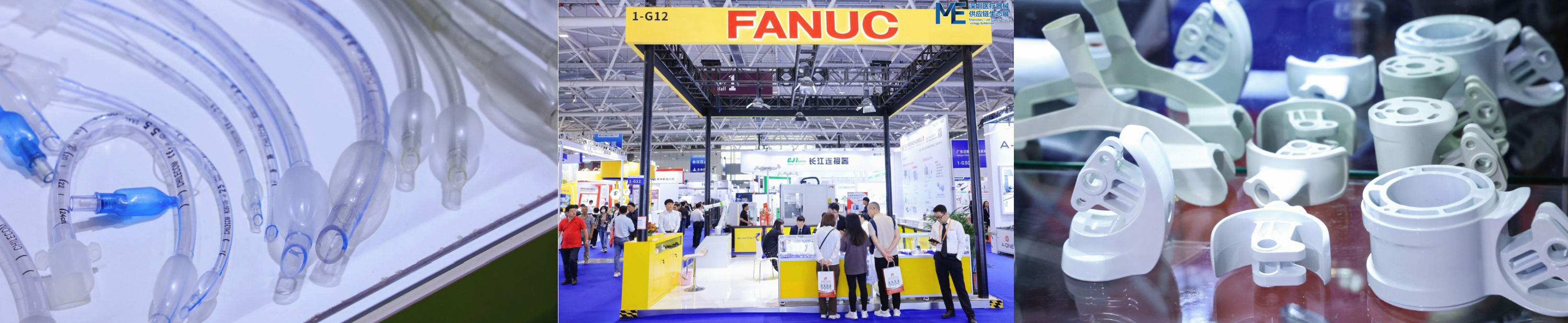
The exhibition at ITES Shenzhen presents a complete overview of the capabilities required for advanced device production. Visitors can explore the spectrum of precision medical component manufacturing processes on display, from advanced CNC machining and micro die-casting to specialized powder metallurgy and medical-grade 3D printing. The scope extends to the critical components these processes create, including miniature mechanical parts like micro-gears and seals, as well as essential electrical and electronic components such as micro-motors, sensors, and chip modules.
Crucially, the exhibition connects manufacturing to material science and finishing. A comprehensive display of processing materials—from titanium and medical plastics to piezoelectric ceramics—highlights the starting point for quality. Furthermore, a full array of surface treatment and coating technologies is showcased, including precision polishing, medical anodizing, plasma treatments, and advanced antimicrobial or hydrophilic coatings that define final part performance. This end-to-end presentation allows a visitor to examine a raw material, discuss a microfabrication process with an engineer, and evaluate a finished component's coating, all within the context of a specific application need.
The advancement of medical technology is inextricably linked to the parallel evolution of manufacturing capability. The development of next-generation devices often hinges on accessing specialized expertise in microfabrication and materials. Engaging with the concentrated community of engineers, technologists, and producers at a dedicated industrial forum provides a direct path to the partnerships necessary for innovation. We facilitate this essential convergence at ITES Shenzhen. The zone offers a focused examination of the components, processes, and suppliers that form the foundation of modern medical device creation, supporting the industry's continuous move towards more effective, less invasive patient care through sophisticated precision medical component manufacturing.