 Countdown164days
2027.3.24-3.27 Shenzhen World Exhibition & Convention Center
Countdown164days
2027.3.24-3.27 Shenzhen World Exhibition & Convention CenterMulti-Cavity and Micro-Injection Molding for Miniaturized Medical Components
【Introduction】 Multi-Cavity and Micro-Injection Molding for Miniaturized Medical Components
The production of intricate plastic parts for medical applications imposes a distinct set of requirements on manufacturing processes. Where high volume, absolute consistency, and microscopic precision are needed, two specialized injection molding techniques become highly relevant: multi-cavity and micro-injection molding. The growth of China medical injection molding capabilities in these areas responds directly to global demand for miniaturized, high-reliability components. For device manufacturers, engaging with proficient medical injection molding manufacturers is often connected to accessing a consolidated supply chain that integrates advanced toolmaking, material science, and process engineering.
Technical Demands of High-Precision Molding
Multi-cavity molding involves a single mold tool containing multiple identical cavities, allowing dozens or hundreds of parts to be produced per machine cycle. This method is crucial for achieving the economies of scale required for disposable medical items. Its effectiveness depends on flawless tool design and construction to ensure uniform filling, cooling, and part quality across every cavity. Micro-injection molding, conversely, deals with parts often weighing less than a gram with micron-level tolerances, used in applications like surgical device gears or implantable sensor housings. This process requires specialized machines with extremely precise shot volume control, high injection speeds, and sophisticated vacuum systems to fully fill sub-millimeter features. Mastering these techniques defines the upper tier of medical injection molding manufacturers, as the margin for error is virtually nonexistent.
Integrated Supply Chain for Complex Component Creation
A significant factor in sourcing China medical injection molding services is the vertical integration present within the industrial ecosystem. The development of a successful micro-molded or multi-cavity component is not a linear process but a concurrent engineering effort. It necessitates close, iterative collaboration between the mold designer, the toolmaker, the materials supplier, and the molding technician. In regions with a high concentration of medical manufacturing, these entities often operate in close proximity. This facilitates a cohesive workflow where a medical injection molding manufacturers can work directly with a precision tooling workshop on one side and a high-grade polymer supplier on the other. This integrated approach can address common industry pain points—such as ensuring mold design is perfectly adapted to the production machinery and material behavior—more efficiently, reducing development time for critical components.
The Critical Interface of Tooling, Material, and Process
The reliability of the final medical component is a function of three interdependent elements: the precision of the mold, the properties of the polymer, and the stability of the molding process. For multi-cavity systems, tooling requires exceptional thermal management to maintain consistency. For micro-molding, tool materials and surface finishes must prevent part adhesion and facilitate ejection of tiny, fragile pieces. Material selection involves not only biocompatibility certifications but also understanding flow characteristics for thin walls and micro-features. Expert medical injection molding manufacturers must control these variables within a validated quality management system, documenting every parameter to ensure batch-to-batch consistency that meets stringent regulatory standards for China medical injection molding outputs destined for global healthcare markets.
A Focused Forum for Technical Sourcing at ITES China
Navigating this specialized field requires direct engagement with technology providers and engineering teams. The Injection Molding Technology Supply Chain Exhibition Zone at ITES China is configured to enable this targeted exploration. This zone concentrates on the core technical and supply chain challenges specific to high-value molding, creating a direct channel between advanced suppliers and technical buyers.
The exhibition scope is deliberately structured around the critical pillars of the process. Visitors can engage with specialists in plastic mold design and manufacturing, a foundational step where part quality is first determined. A major segment is dedicated to precision injection molding equipment and automated production lines, where machinery capable of micro-injection or high-cavity operations is demonstrated. This allows for assessment of machine capabilities, control systems, and cleanroom compatibility.
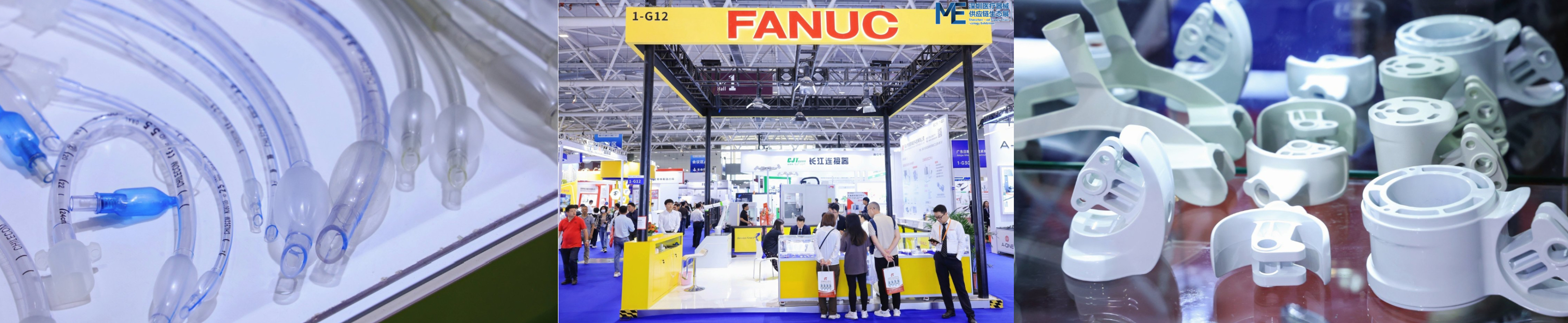
Furthermore, the zone provides a platform to evaluate injection molding raw materials from suppliers familiar with medical-grade specifications. Perhaps most indicative of capability are the displayed medical plastic products themselves, which serve as tangible proof of a supplier's expertise in multi-cavity or micro-injection techniques. Seeing finished components provides immediate insight into achievable tolerances, surface finishes, and structural integrity.
The move toward increasingly miniaturized and volume-intensive medical devices places specific demands on molding technology. ITES China addresses this by assembling the key contributors to advanced medical plastics manufacturing in a single technical forum. For professionals involved in specifying or procuring these complex manufacturing services, the event offers a substantive opportunity to evaluate the competencies of different medical injection molding manufacturers, examine the integration of tooling and material science, and gain a clearer understanding of the capabilities within the China medical injection molding sector. This direct access supports more informed partnerships and technical decisions in a field where precision is paramount.